

























































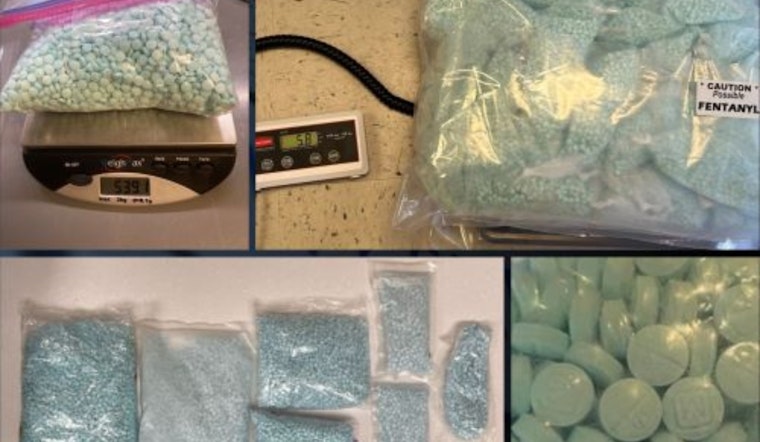
In what's been marked as a significant shift in the battle against the opioid epidemic, San Diego County's concerted efforts to stem the fentanyl crisis are showing promising results. At a recent news conference, Sheriff Kelly Martinez and County Supervisor Joel Anderson, District Two, laid out the progress made by their teams in addressing the issue head-on. According to the San Diego County Sheriff's Office, nearly two million fentanyl pills, with an estimated street value of $21 million, have been taken off the streets since 2023.
As reported by the San Diego County Sheriff's Office, law enforcement agencies have worked diligently to increase awareness and crack down on street crimes tied to this potent synthetic opioid. With state and county leaders, officers have seen their efforts bolstered by a $1 million grant from the State of California and an additional $500,000 from the San Diego County Board of Supervisors for investigating fentanyl crimes. But more than just arrests, these initiatives have been about saving lives. After receiving an additional $500,000 for the upcoming fiscal year due to proven success, the enforcement program is expected to continue its strong momentum.
Nationally, the impact of these anti-fentanyl measures has been quantifiable. The Centers for Disease Control and Prevention has reported a remarkable 37% decrease in fentanyl-related deaths, falling from around 76,282 in 2023 to 48,422 in 2024. This significant drop mirrors local trends as well, with the San Diego County Medical Examiner's Office indicating a more than 30% decrease in accidental overdose deaths involving fentanyl during the same timeframe.
As per the San Diego County Sheriff's Office, Sheriff Martinez underscored the importance of a "three-pronged approach" which includes public education, law enforcement, and harm reduction strategies. A step taken to ensure these strategies' effectiveness, naloxone, a medication that reverses opioid overdoses, is being carried and distributed by deputies and is available at every Sheriff's Station and Substation. This medication has also been made readily available to all incarcerated individuals at county detention facilities.





