

























































Sweeping travel bans announced by the Trump administration are poised to send shockwaves through various communities in South Florida, with families from Haiti, Cuba, and Venezuela bracing for the impact of these new restrictions. As reported by NBC Miami, the travel ban will fully affect nationals from 12 countries, including Haiti, and implement partial restrictions on seven others, including Cuba and Venezuela, hindering those wanting to travel for tourism, business, and study purposes.
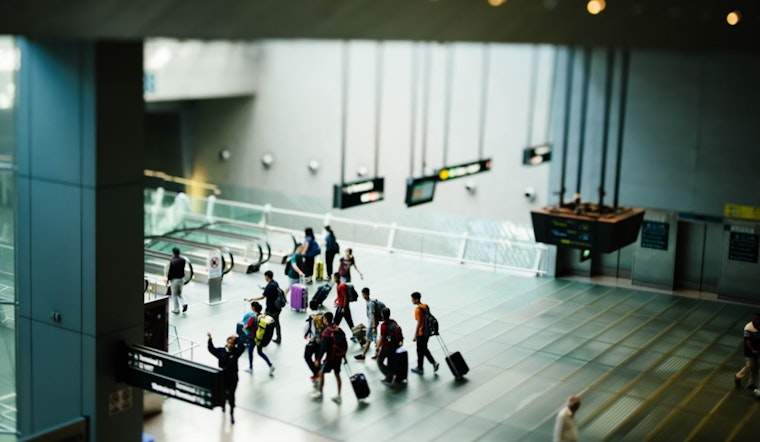
According to WSVN, there was an emotional scene at Miami International Airport where the Saldizar family embraced after a long 12 years of separation, the grandmother having been one of the last to receive visa approval before the ban's implementation, the granddaughter Leia voiced concern over the uncertainty of their ability to reunite once her grandmother's five-year visa term expired. Despite exemptions for permanent residents, valid visa holders, and dual citizens, along with allowances for athletes attending major sporting events, the policy has drawn sharp criticism.
Pierre Imbert of the Ayiti Community Trust told NBC Miami that "These are people that have been failed by their governments and yet cannot rely on the United States to pursue some form of survival," emphasizing the dire circumstances for Haitians affected by the ban. Local political reactions have been varied, with U.S. Rep. Carlos Gimenez (R-Fla.) and Rep. Maria Elvira Salazar (R-FL) acknowledging the need for federal action against what they perceive to be oppressive regimes, but Miami-Dade County Mayor Daniella Levine Cava criticized the policy for dividing families and preventing loved ones from reuniting. She called for comprehensive immigration reform, emphasizing the need to keep communities together rather than separated.
In Doral's Venezuelan restaurant El Pazo, Ziggy Alvero expressed his concern to WSVN, saying, “I like Donald Trump. I think he’s doing wrong because, you know, you don’t fix the problem, you just isolate the people. You fix problems when you help people,” highlighting a common view that such measures may exacerbate the hardships faced by immigrants instead of providing a thoughtful solution. Tessa Petit, an activist and Haitian immigrant herself, criticized the travel ban to WSVN, “When we’re here, we count on our families to visit us. That’s what keeps us connected, and it’s definitely going to separate our communities again.” The Trump administration's motive for the ban has been framed as a national security measure following a recent terror attack in Colorado, with President Trump declaring, "We will not allow people to enter our country who wish to do us harm."




