

























































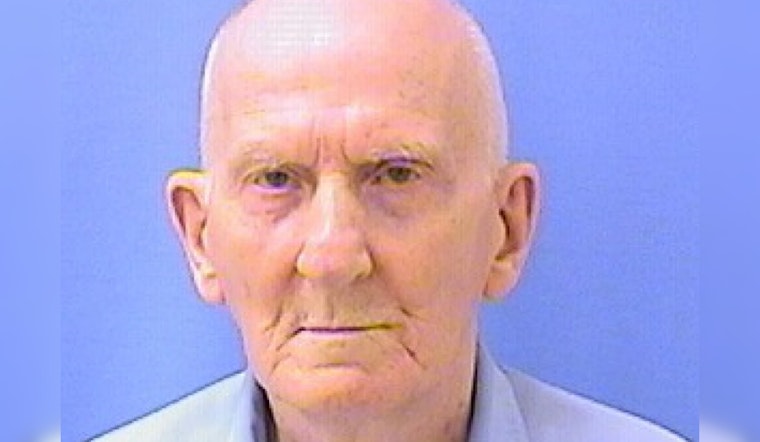
On Sunday, Chester Weger, infamous for the 'Starved Rock' murder case dating back to 1960, passed away at the age of 86. His death was confirmed by Andy Hale, his attorney, who told WGN-TV that Weger died in Kansas City, surrounded by loved ones. Hale conveyed his deep disappointment as his client succumbed to death only days after a judge denied his most recent bid to overturn the conviction, an effort to clear his name that endured right until his final days.
Weger's story has long gripped Illinois, as he was convicted for the murder of Lillian Oetting, who, along with Frances Murphy and Mildred Lindquist, was found brutally murdered at Starved Rock State Park – the women had been bludgeoned over 100 times, according to WGN-TV. Working as a dishwasher at the Starved Rock Lodge at the time, Weger was tied to the crimes by a cord from the lodge that matched what was used to bind the victims, after which he confessed but later recanted, claiming innocence and alleging that his confession was the result of coercion.
Weger, whom CBS News Chicago noted had maintained his innocence over the years, was eventually paroled in 2020 after 24 unsuccessful parole applications, having first sought freedom in 1972. Though he was released, Weger continued to fight to clear his name, right up to his death which followed closely on the heels of a denied request for a new trial concerning Oetting's murder.
"Chester fought until the end to clear his name. He was innocent of the horrific murders but died just days after a LaSalle County judge denied his request to overturn his conviction. We are deeply saddened that Chester’s legacy is marred by this unjust conviction," Hale told WGN-TV, reflecting on the lasting stigma attached to his client's name and the legal battle that persisted over six decades. Weger's death closes one of the most prolonged and contentious legal sagas in Illinois' criminal history, leaving unresolved questions regarding both his guilt and the nature of the justice system's handling of his case.





