

























































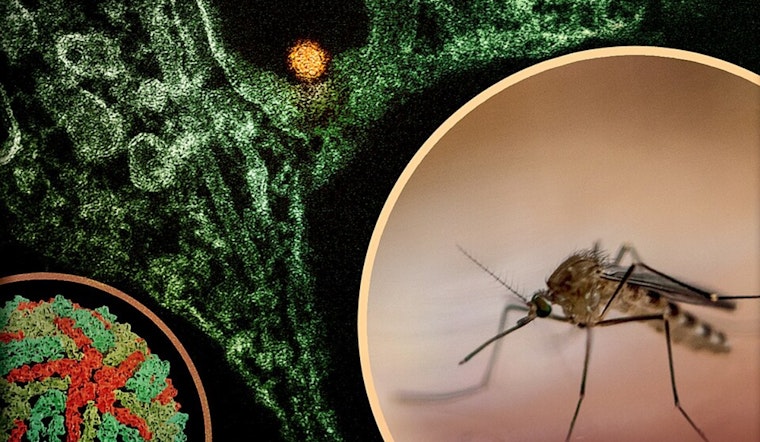
Tarrant County is adjusting its approach to battling these bloodsuckers, and it's something residents will want to pay attention to. With the summer underway, city staff have been deploying larvicide in public waters and attending to the grievances of the community, while weekly mosquito captures undergo testing courtesy of the Tarrant County Public Health Department (TCPH).
According to a recent update from the City of Keller's official website, the TCPH has cut down its mosquito testing capacity, translating into a reduction of mosquito traps in use. From a total of five last year, one trap has been called off the field this season — the one formerly at 540 Keller Smithfield Road, known for showing the least positive mosquito test results in prior years. This trimming of surveillance efforts kicked off at the beginning of May and will extend through the spooky season ending on Halloween.
Shifting gears in response to concerns that mosquitoes might be growing resistant to the usual pesticides, the county has advised a change in the spraying routine. Mosquito spraying within a half-mile radius will occur only after a specific trap yields mosquitoes testing positive for West Nile Virus across three successive weeks, or if a human case linked to that area comes to light.
Even with the mosquito defense dialed back a notch, the TCPH ensures that residents stay in the loop. Positives from the critter examinations will be shared across city platforms, from social media blasts to the weekly digital digest, Keller Connect. Before slapping on the bug spray, remember the "Four D's" — words to live by when wading through these winged woes: drain, dusk, and dawn, dress, and DEET.





