

























































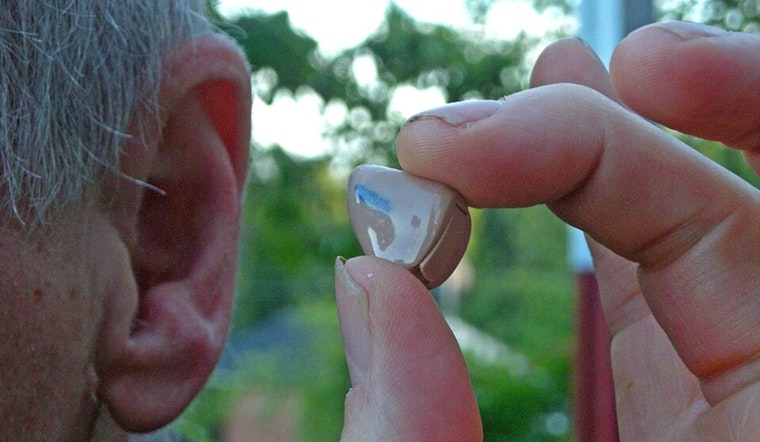
Hearing loss isn't just about missing out on conversations or the subtleties of music. According to Dr. Daniel Sun, a leading voice from the University of Cincinnati, it's a far-reaching health concern that can signal and even accelerate cognitive decline. "About one in seven Americans experience some form of hearing loss," Sun told Flow Space through UC News, in a recently published article on hearing technology advances. This isn't just an old-person problem, as many might stereotype, it can begin way sooner than we expect, and its implications are broad.
But here's where it gets even more concerning, age-related hearing loss has been linked to dementia, a growing health crisis in the world. Experts in the field are seeing a strong enough connection that they're attributing up to 32 percent of dementia cases to underlying hearing loss. This figure, gleaned from a recent study, suggests that perhaps hearing screenings could be a frontline defense in delaying the onset of dementia for those at risk. Experts especially warn that women should heed this call to awareness due to a higher propensity for hearing loss-related cognitive issues, an angle of the study that should not be overlooked.
Another condition, otosclerosis, which can onset in midlife, directly affects hearing by stiffening the bones in the ear. In a more dour tone, Sun explained through UC News, "For reasons we don’t yet fully understand, it tends to occur more commonly in women, especially after one or more pregnancies." The particular reasons behind this trend remain elusive, though the impact is undeniable and warrants further investigation.



