

























































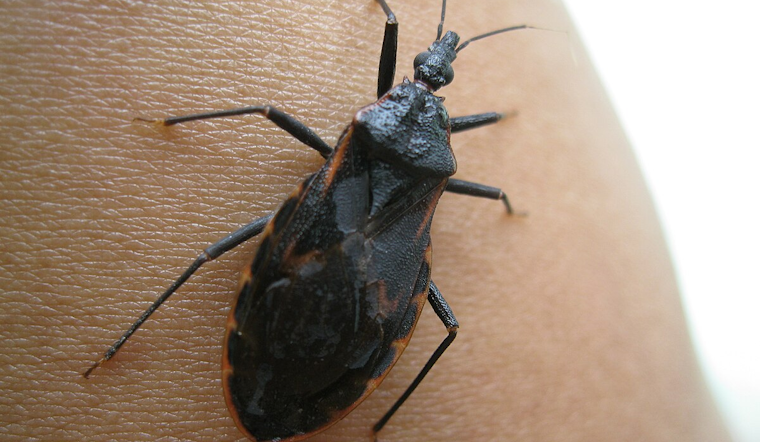
Breaking new ground in the battle against a "silent killer," University of Cincinnati biologists are delving into the lifecycle of the parasite that causes Chagas disease. This notorious disease, notorious for its often asymptomatic presence until it turns lethal, has found its match as researchers aim to ultimately develop a cure, as reported on the University's news page.
The insidious nature of the disease, transmitted by the seemingly innocuous named 'kissing bugs', belies the threat it poses. These bugs bite people, typically around the face while they sleep, and proceed to add insult to injury by defecating parasites into the wounds. The researchers are eager not only to understand but also to disrupt the spread of these internal parasites forcefully. According to their recent study in the journal mBio, the goal is clear: halting the parasites' development inside their insect hosts before they can reach humans.
Chagas disease is a substantial health concern across the Americas, with an estimated 6 to 8 million individuals infected. Although the highest burden lies in Latin America, the United States is not spared, with approximately 300,000 infections reported within its borders. The parasites, if left unchecked, wreak havoc over time, causing severe gastrointestinal, neurological, and cardiac complications that often go unnoticed until it's too late.
The University of Cincinnati team's work is shedding light on the stealthy invasion by these parasites. "Many don't realize they are infected," the article mentioned, framing the enormity of this public health challenge. The parasites are implicated in causing severe enlargements of the heart and deadly cardiac arrests in unsuspecting hosts. By focusing on the lifecycle of the parasite, the UC biologists are determined not only to understand it fully but also to strategically break the chain of transmission, offering a glimmer of hope for those afflicted and for future prevention efforts.



