

























































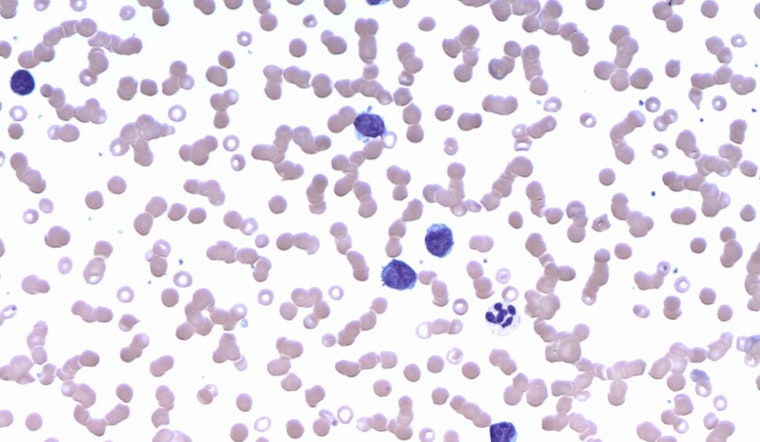
A University of Cincinnati Cancer Center-led study recently cast new light on how a major oncogene, known as MYC, accelerates lymphoma growth, a revelation that could spur the development of targeted treatments, as reported by MSN. According to the research published in Redox Biology by lead author Austin C. MacMillan and senior author Tom Cunningham, the focus was on the enzyme phosphoribosyl pyrophosphate synthetase (PRPS), which manifests in two forms, PRPS1 and PRPS2, within lymphoma cells.
Through the utilization of CRISPR gene editing technology, researchers were able to knock out either form of the enzyme in lymphoma cell models revealing that while PRPS1 and PRPS2 perform different functions they collaborate within the same biochemical complex; PRPS2's presence is amplified and more dynamic in cases where MYC overexpression influences lymphoma, thus the findings suggest not just the utility of the enzymes but that they may be leveraged for future lymphoma therapies. "The many buffering mechanisms in place to regulate redox homeostasis make it very uncommon to find that the difference in catalyzation of a single biochemical reaction produces such a measurable change in the cell’s global redox state, so that was a major surprise,” MacMillan told MSN.
The study revealed that the PRPS enzymes have a cell-wide impact on redox homeostasis, which involves regulating the internal cellular environment. Redox homeostasis is usually maintained by numerous checks and balances within the cell, which is what makes this discovery particularly significant. Tom Cunningham conveyed the potent implications of their findings, "Discovering that changing flux through the single PRPS enzyme can have such profound consequences on overall cellular redox state,” he added, “Having the molecular tools at our disposal to harness that is a really powerful bit of knowledge that we can use in the future."
With this newfound understanding of the PRPS enzymes' role in REDOX imbalance and lymphoma proliferation, the Cincinnati team's research could become instrumental in designing new approaches to combat this aggressive form of cancer. The potential applications of these findings are vast. They represent a significant stride forward in understanding lymphoma biology, with the potential to lead to new, more effective treatments that specifically target the activity of PRPS enzymes in cancer cells. For many in the medical community and those affected by lymphoma, the future of therapy may have just become a bit brighter through the microscopic lens of enzyme behavior.





