

























































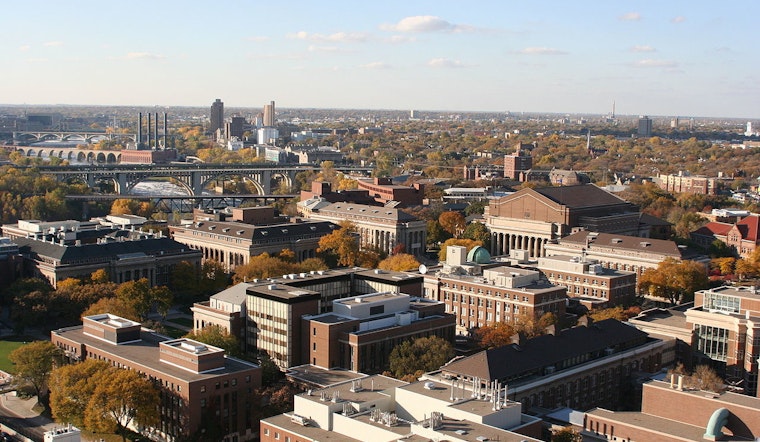
Regents at the University of Minnesota are mulling over a balanced operating budget proposal for the fiscal year 2026, which was put under review on June 12, and they are expected to make a decision at a meeting slated for June 18. In this proposed budget, the university tackles issues like tuition hikes and coverage reductions, set against a backdrop of flat state funding and dwindling federal support, according to a report from Twin Cities UMN News.
Remaining in Minnesota after graduation, 62% of alumni play a key role in fueling local communities, while the university's economic impact is valued at a hefty $11.5 billion, sustaining more than 89,000 jobs, 28,000 directly tied to the institution. But the slippery slope higher education finds itself on now includes inflationary pressures and rising costs that necessitate practical solutions to advance the university's mission. Gregg Goldman, executive vice president for finance and operations, defined the budget proposal as a framework for financial stability and foundational strength. "We are making targeted investments and tough tradeoffs to sustain our core mission and ensure the University’s strength for years to come," he told Twin Cities UMN News.
Public input on the budget was collected during the Board's public budget forum. Submissions via the Board's Virtual Forum are welcome until 10 a.m. on June 17 to be included in the official record for the June 18 meeting. The elected Board leadership, set to serve for two years from July 2025 to June 2027, brings Regent Doug Huebsch to the chair's seat, supported by co-vice chairs Regents Ruth Johnson and Penny Wheeler, as reported by Twin Cities UMN News.
Efforts to nurture the university's governance extended beyond the scope of mere budgeting with the election of new officers and a reshaped 2025-26 meeting schedule designed to steer effective governance by mixing the essential routine with opportunities for engagement, and slots for potentially urgent gatherings. The Board, bent on forging ahead amid changing academic landscapes, touched on health sciences throughout Minnesota, envisioning the spread of knowledge and skill as foundational anchors, just as it banked on the Medical School's CentraCare Regional Campus in St. Cloud to serve as a beacon. Additionally, strategies for student support, enrollment marketing, and concrete policy amendments were part of the robust discussions.
Recognition also featured prominently; the university acknowledged its 2025 Fulbright Award recipients and the departing efforts of Rachel Croson and Kathy Schmidlkofer, as seen by Twin Cities UMN News. The next meeting for the Board of Regents is scheduled for June 18, with the university's community looking forward to understanding how these budgetary decisions will influence the trajectory of their institution.





