

























































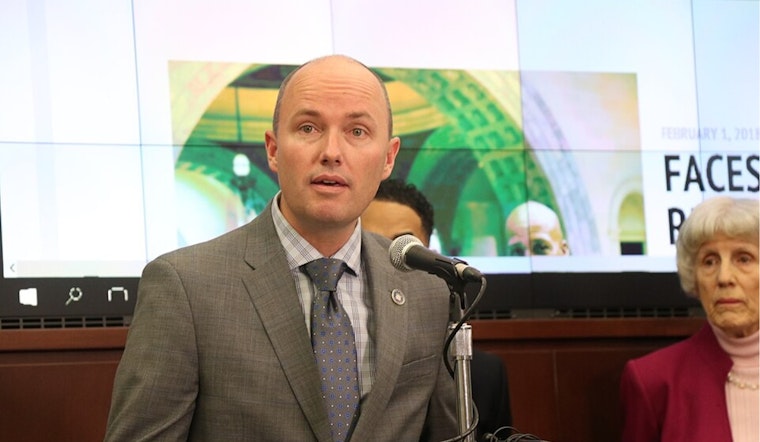
Following a successful petition drive, Utah Governor Spencer Cox has made it clear that the fate of a contentious piece of labor legislation will be decided directly by the state's voters in the upcoming general election. According to the Utah Governor's Office, Cox signed an executive order on June 23, ensuring that the referendum on H.B. 267, known as the Public Sector Labor Union Amendments, will appear on the November 3, 2026, ballot. This move is not merely a gubernatorial whim but a statutory requirement triggered by Lieutenant Governor Deidre Henderson's confirmation on June 21 that opponents of the bill had collected enough signatures to push the legislation to a public vote.
The bill in question seeks to amend the operations of public sector labor unions, and while specifics remain under debate, its progression to a referendum signals a substantial pushback from segments of the electorate. The announcement by Cox follows a meticulous process defined under Utah state law, whereby citizens who disagree with legislation passed by the state's Legislature can petition for a direct vote, which in this case, appears to have been successful in its initial phase, now it will be brought before the wider voter base to either uphold or rescind the bill.
Advocates for the referendum have expressed satisfaction over this development, citing it as a demonstration of direct democracy in action where the voice of the people gains the power to directly shape policy, especially policies as significant as those affecting labor union dynamics. The details surrounding H.B. 267's proposed changes to public sector unions have incited extensive disagreement among lawmakers, union representatives, and taxpayers, each looking to secure an outcome favorable to their interests as the state approaches a critical juncture come 2026.





.jpg)