

























































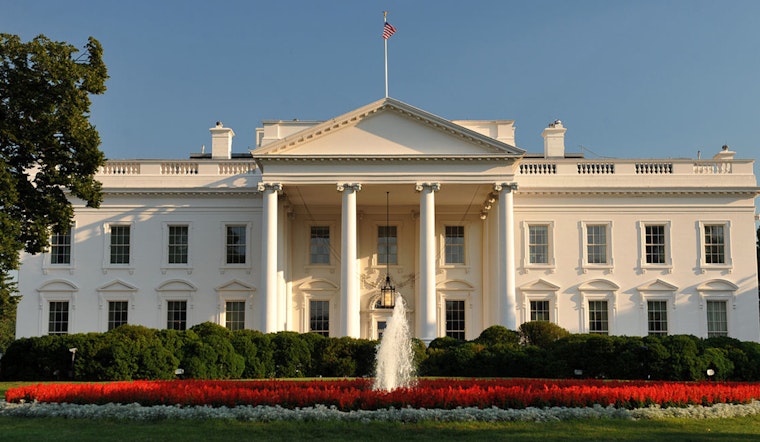
The White House has remained steadfast in its defense of the One Big Beautiful Bill, a piece of legislation that has been met with both fierce criticism and fervent support across the political spectrum. According to an official White House article published on June 2nd, this legislation promises to reinforce the social safety net for American citizens, specifically outlining improvements to the Medicaid program.
In refuting claims that the bill's reforms will endanger lives, the White House points to the removal of approximately 1.4 million undocumented immigrants from the Medicaid rolls, arguing this will free up resources for eligible citizens. Additionally, the bill plans to cease funding for gender-related surgeries for minors, which has sparked a heated debate. These measures have been framed as a means to eliminate "waste, fraud, and abuse," thereby enhancing Medicaid's efficacy.
The bill's proponents are keen to highlight what they describe as commonsense, Clinton-era work, volunteer, education, or training requirements for Medicaid recipients who are able-bodied adults but are not employed. The White House claims that an estimated 4.8 million individuals fall under this category and that such requirements would incentivize work, ultimately leading to a better quality of life. The administration echoes that the goal is to uplift individuals through the dignity of work, citing historic bipartisan support for similar initiatives, including an endorsement from Joe Biden himself.
Despite the bill seeming to carry the torch of past bipartisan efforts, controversy brews beneath its well-intentioned façade. Critics argue that work mandates will create further barriers for those already struggling, and that such stipulations overlook the complexity of personal circumstances. For those at the crossroads of unemployment and health vulnerabilities, the proposed legislation has introduced new fears; navigating the labyrinth of work requirements may feel less like uplift and more akin to a punitive labyrinth. However, the White House has ardently dismissed such concerns, insisting that the bill "strengthens and protects the social safety net."
As the One Big Beautiful Bill moves forward, its true impact on the American public remains to be seen. Both supporters and dissenters of the bill are watching closely, waiting to see if promises made will align with reality delivered. The ongoing debate underscores the broader conversation about the role of government in providing social services and the best approach to fostering independence while ensuring support for the nation's most vulnerable individuals.





