

























































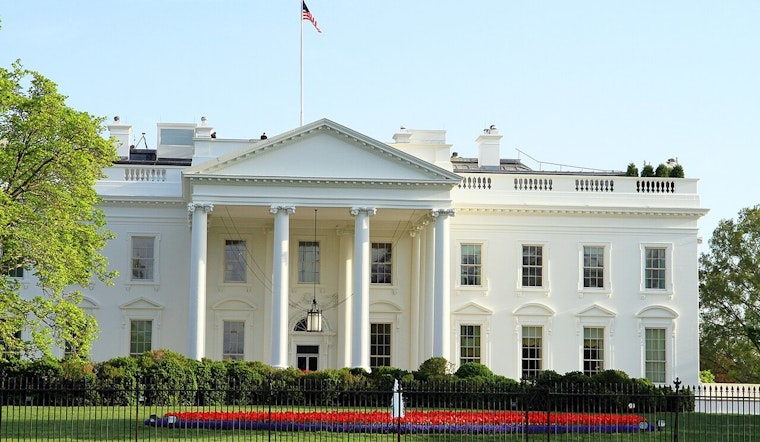
In a decisive move, the White House has announced the mobilization of National Guard units to bolster security for Immigration and Customs Enforcement (ICE) personnel and protect federal immigration facilities. Given the escalating violence surrounding federal immigration enforcement, the President has, according to a memorandum published on the White House website, invoked the authority granted by the Constitution and United States law to deploy military resources. These National Guard members, exceeding 2,000, are being activated in response to protests and violent acts that have been classified as threats to the government's operational integrity.
The President's directive identifies a period of 60 days for the National Guard's deployment, which may be extended at the Secretary of Defense's discretion. Furthermore, the Secretary of Defense retains the authority to supplement this force with regular Armed Forces members as deemed necessary. "In light of these incidents and credible threats of continued violence," the President's memo stated, "I hereby call into Federal service members and units of the National Guard under 10 U.S.C. 12406..." This falls in response to the recent incidents, which the administration has characterized as undermining the execution of federal law and therefore representing a form of opposition to the government's authority.
This action is not solely a response to the current situation but also a preventative measure against anticipated unrest. Military personnel dispatched will be engaged in protective activities essential for the safety of federal personnel and property. The coordination for this operation involves complex collaboration; the Secretary of Defense will work in concert with the Governors, the National Guard Bureau, the Attorney General, and the Secretary of Homeland Security to secure vulnerable locations based on threat assessments and operational plans.
While the directive aims to curb the upheaval surrounding federal immigration enforcement, it has sparked further debate on the state's use of military intervention in civil matters. The President's memorandum also delegates significant authority to subprocessor officials within the Departments of Defense and Homeland Security, empowering them to make tactical decisions regarding the deployment of military forces. This broad delegation of power has stirred discussions about the balance between national security and civil liberties, alongside considerations about the precedent it sets for federal response to domestic unrest.





