

























































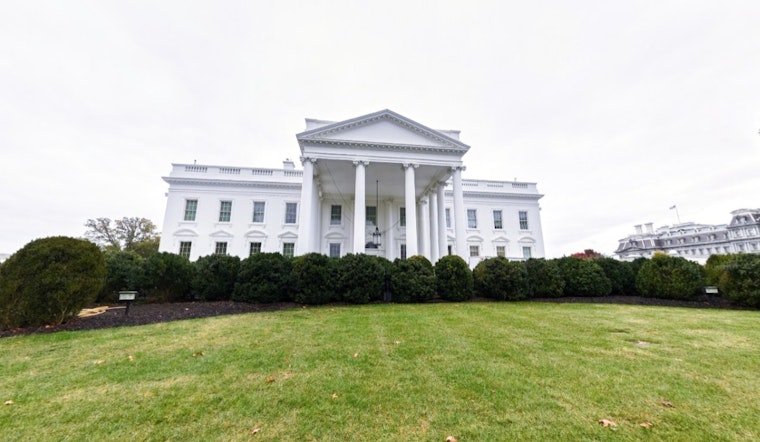
The White House recently announced the passing of the "One Big Beautiful Bill," which is set to overhaul Medicaid by ending benefits for undocumented immigrants, as stated on the White House's official website. The bill aims to earmark these funds specifically for American citizens, barring over 1.4 million undocumented individuals, including those cited in recent Los Angeles arrests, from accessing taxpayer-funded health care benefits through Medicaid.
Amidst controversy, the bill is rallying the administration's efforts to bolster border security by fully funding initiatives that include hiring 10,000 new ICE personnel, adding 3,000 new Border Patrol agents who are tasked with detaining and deporting at least one million undocumented immigrants with criminal records annually, however, there is a concern about the implications such stringent measures will have on communities and families caught in the crossfire and the real efficacy of these numbers. The promise of $10,000 bonuses for these frontline workers is also featured in the package for the next four years, an attempt to give back to those on the front lines of immigration enforcement.
A contentious aspect of the bill is the framing of medical benefits as being "stolen" from American citizens, an assertion that has fueled debates over immigration policy and human rights. Critics of the bill argue that this language is part of a broader narrative that paints undocumented immigrants in an unjust and harmful light, framing them squarely as a burden to the system rather than acknowledging the complexity of their situations and the contributions many make to the communities they live in.
As the "One Big Beautiful Bill" moves forward, the White House asserts that it is a fulfilment of President Trump's commitment to prioritize American citizens above others, citing this as a defense of Medicaid and its beneficiaries, the intention is clear but what remains to be seen is how implementation will unfold and what repercussions will there be for those on the margins of this policy shift, as detailed in a White House release.




