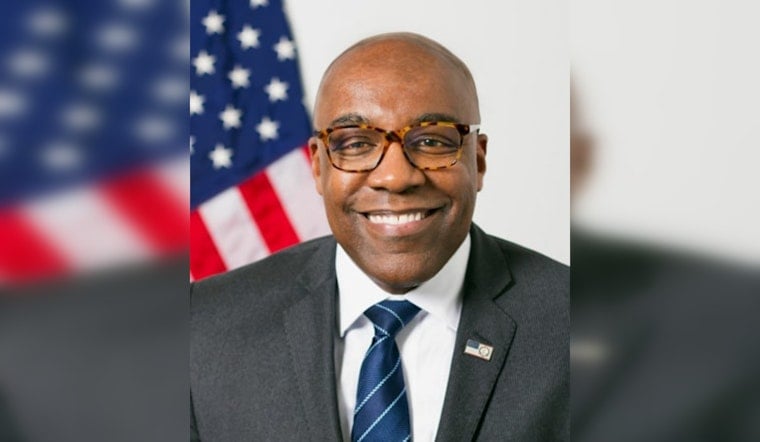
Attorney General Kwame Raoul, along with a coalition of 15 attorneys general, is standing up against the Department of Homeland Security's attempts to revoke Temporary Protected Status (TPS) for immigrants from Honduras, Nepal, and Nicaragua. This legal move, captured in an amicus brief filed in the case of National TPS Alliance v. Noem, counters the DHS's actions which could potentially displace over 60,000 individuals who have been living, working, and integrating into American society for years, some even decades.
In the brief, Raoul underscores the importance of TPS, "People with temporary protected status have fled trauma and extreme hardship, and are now working and contributing to their communities across the country." As reported by the Illinois Attorney General's Office, the attorneys general warn that ending these protections will not only affect those directly under TPS but also the mixed-status households that they are a part of, potentially leading to family separations and significant community disruption.
The DHS's plan, initiated by Secretary Kristi Noem, entails ending TPS designations that have provided a haven since events such as the devastating 2015 earthquakes in Nepal, and the destruction left by Hurricane Mitch in Honduras and Nicaragua in 1999. These proposed terminations could force thousands to face the instability and danger in their origin countries, which they were once compelled to flee.
Raoul, representing the state of Illinois, joins attorneys general from California, Connecticut, Delaware, the District of Columbia, Hawaii, Maine, Maryland, Massachusetts, Minnesota, Nevada, New Jersey, New York, Oregon, and Vermont in this legal challenge. Together, they urge the court to grant preliminary relief that would postpone the termination of these protections, as outlined in the Illinois Attorney General's Office statement. Their collective argument addresses the profound consequences not just on individuals, but on the greater national socio-economic landscape should these protections come to an abrupt end.
The fight for TPS reinforces the underlying narrative of a nation grappling with its identity, challenging the moral and societal fibers that tie the future of these immigrants to the fabric of American communities. As this legal battle unfolds, the lives of many hang in the balance, awaiting a decision that could either maintain their sanctuary or unravel the lives they've worked so hard to build.