

























































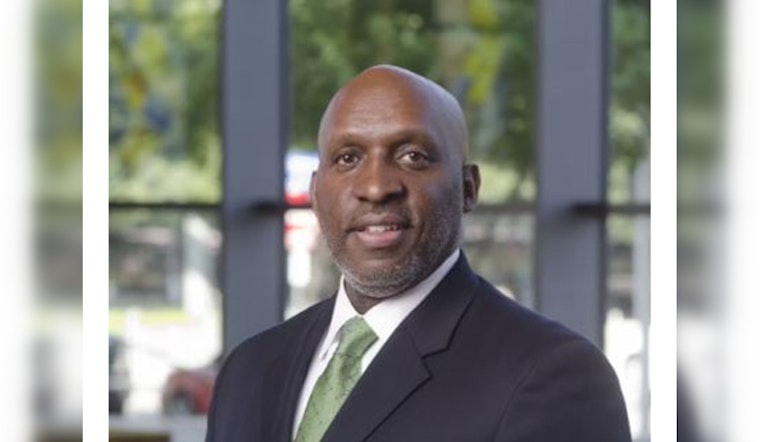
Austin's fiscal landscape is set for a tactical shift as City Manager T.C. Broadnax has put forth a $6.3 billion budget proposal, one designed to fortify the services that stitch the fabric of the community together. Per the City of Austin, this plan looks to enhance the current amenities while keeping a keen eye on the triad—people, places, and partnerships—that could bolster the city's resilience. Amid a tangle of financial constraints, including federal fund slashes and a cap on property tax revenue growth, it's a move that aims to craft a budget in the true reflection of the residents’ needs and ambitions.
"Engaging with our community to understand their budget priorities is more important than ever in these challenging times of federal funding cuts and limited revenue," Broadnax said, as the budget process kicked off against a set backdrop of a $33.4 million projected deficit. In response to this, the city has had to strategically cut departmental costs and restructure to keep essential services afloat. The budget also looks to proactively respond to ongoing challenges, such as homelessness, with investments like an $8 million one-time funding allocation to the Housing Trust Fund for emergency shelter operations.
Detailing the proposed budget includes expansions in shelter space and personnel aimed directly at support for Austinites without homes, enhanced emergency rental assistance, and the formation of a dedicated Human Rights Division. These moves could just prove crucial in a city grappling with social equity and the ever-present battle against intolerance. Faced with the reality of a strained social fabric, the proposed $150,000 for the anti-hate crime campaign "We All Belong" and a new department for Austin Arts, Culture, Music, and Entertainment spell out not just financial commitment but a dedication to the diverse heartbeat of the city.
The fiscal package isn't without an impact on taxpayers. Homeowners are looking at an increase of $12.90 monthly on property taxes, equating to around $154.83 per year on average. Meanwhile, the cost for utilities and municipal services is set to go up, inflicting an additional $22.35 monthly charge for the standard Austin taxpayer. Despite these upticks, the city administration is keen to assure residents that these additional inputs are imperative to sustain and expand operations, a sentiment echoed through the $2.9 billion pledged for infrastructure improvements like wastewater treatment and airport expansion.
Austinites can anticipate a slate of community meetings and work sessions on the docket as the City Council preps for a deep dive into the budget proposal before its final adoption kicks off on August 13. For those looking to learn the ins and outs of the budget's innards or to have their voices echo in the halls of city planning, information and involvement opportunities are accessible through the city's newly launched Performance ATX dashboard. So stay tuned, as the fabric of Austin could soon weave a pattern reflecting the collective will and wisdom of its dwellers.





