

























































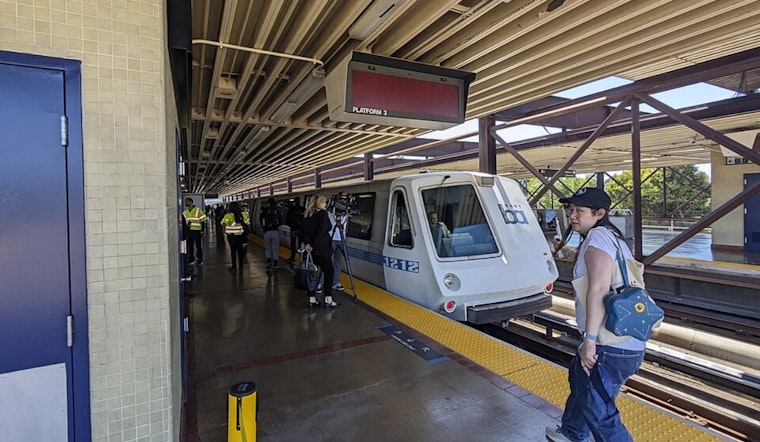
Bay Area commuters were greeted with an unexpected reprieve from fare payments this morning, as a system-wide Clipper card outage impacted various transit agencies. The malfunction meant that fare gates remained open, and many riders could quickly board without payment. Clipper is widely used across over 24 transit agencies, including BART, Caltrain, and San Francisco Muni, according to Bay Area Clipper's social media post.
ATTENTION: The Clipper system is experiencing an outage on all operators this morning. Please be prepared to pay your fare with another form of payment if required by your transit agency.
— Bay Area Clipper (@BayAreaClipper) July 1, 2025
In response to the outage, Clipper advised passengers to "be prepared to pay your fare with another form of payment if required by your transit agency." However, several transit systems, such as the Santa Clara Valley Transportation Authority, allowed riders to travel for free, as reported by CNBC. The San Francisco Municipal Transportation Agency said that all fare gates within Market Street and Central subways would remain open during the outage.
The Clipper system's problems are a stark reminder of the aging infrastructure facing the Bay Area's transit systems. Amid this technological hiccup, BART, which began installing new fare gates in late 2023, saw a brief return to the pre-gate days, with passengers entering stations unimpeded. The current conditions are a far cry from the targeted full deployment of the new gates by the end of the year. BART's website shared that average exits have significantly dropped since the pre-pandemic era, when they typically surpassed 400,000 a month.
Despite the inconvenience, the Metropolitan Transportation Commission, which owns Clipper and manages transportation across the nine-county Bay Area, has been working to transform the payment platform significantly. The commission announced plans for introducing Clipper 2.0, a project touted to feature a more customer-focused, cost-effective fare collection system that seamlessly integrates with various mobile operating systems. Yet, as noted by a San Francisco Chronicle report, the continuous delays in rolling out the updated system have been causing friction at recent executive board meetings.





.jpg)