

























































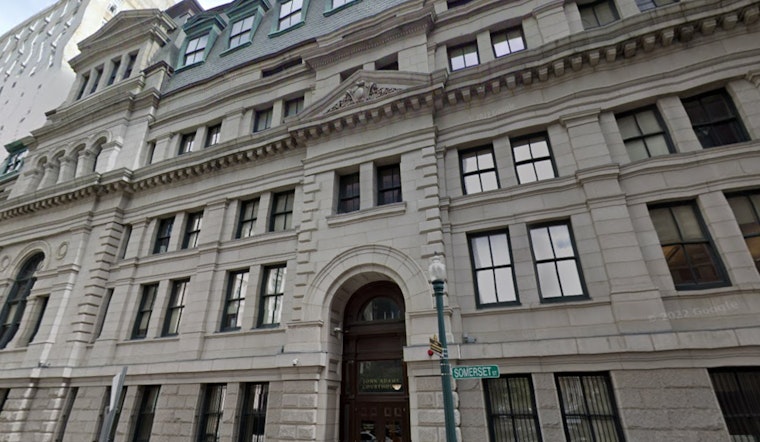
In a decision that underscores the severity of Massachusetts' court-appointed attorney work stoppage, a Boston judge has dismissed over a hundred criminal cases. As reported by the Boston Globe, the cases, ranging from minor theft to drug trafficking and assault with a dangerous weapon, had lingered beyond the legally allowed 45 days without the defendants having legal representation, a critical constitutional right.
The judge's ruling followed after a state Supreme Judicial Court justice enacted the emergency Lavallee Protocol in response to the work stoppage by bar advocates who argue for higher pay rates; the protocol stipulates the release of any defendant held for more than seven days without a lawyer and the dismissal of charges for those waiting longer than 45 days - the work stoppage has led to around two dozen releases, and as new hearings arise, a strain on the court system is evident, with counts mounting, judges scarce, and public safety concerns increasing as serious offenders face potential release.
Several district courts, faced with this legal quagmire, are now asking for additional judges to manage the surge of dismissal hearings, with Boston Municipal Court expecting about 130 cases set for determination just on a single day, elaborated in a report by WCVB. The totality runs deeper across the state with other courts like Middlesex County foreseeing 447 defendants needing judicial consideration soon.
The legal and logistical crisis resulting from the attorney stoppage has compelled the Supreme Judicial Court to allow amendments in court procedure, enabling the addition of judges and resources; however, the looming danger to public safety persists as the Suffolk County District Attorney's Office highlighted a "significant escalation in the threat to public safety" with cases involving assaults and domestic violence on the brink of potential dismissal, and though Governor Maura Healey has highlighted both public safety and due process concerns, no solution appears imminent as a raise for bar advocates was omitted from the state budget, an issue encapsulating tension between the costs of justice and the fiscal constraints voiced by leaders on Beacon Hill.



