

























































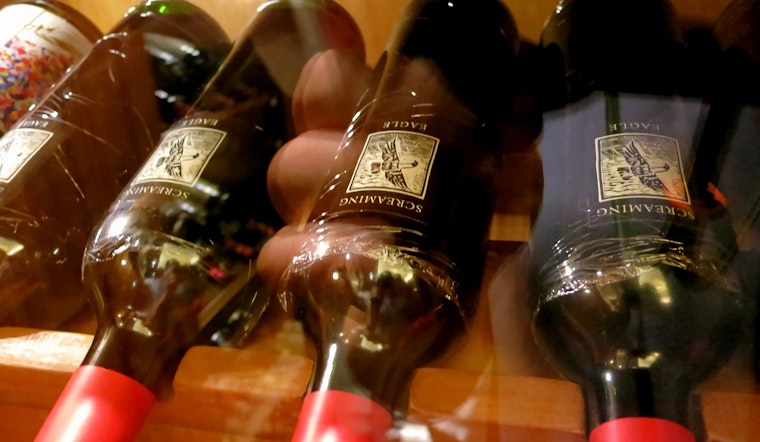
A $99 million international wine fraud scheme that falsely promoted California's prestigious Napa Valley Screaming Eagle Cabernet as collateral has reached a new milestone with the extradition and arraignment of its second mastermind. James Wellesley, 56, pleaded not guilty Friday in Brooklyn federal court to charges of orchestrating the Bordeaux Cellars investment scam that specifically targeted wine-savvy investors with promises of returns backed by non-existent collections that supposedly included California's most coveted wines.
The case has drawn particular attention from California wine industry observers, as the defendants used the state's cult wines as key selling points in their fraudulent scheme. At a 2017 Las Vegas investor conference, Wellesley told potential victims that Bordeaux Cellars dealt with "mainly French wines, some of the nicer California wines [like] Screaming Eagle," according to Wine Spectator. The fraud operation also benefited from extensive investigative work by Don Cornwell, a Los Angeles attorney and wine fraud expert who helped expose the scheme.
A bottle of Screaming Eagle once sold for $500,000, in what's regarded as the most expensive sale of a Napa wine in history, according to NapaValley.com.
The timing of this arraignment comes as California's wine industry faces its own challenges, with North Bay Business Journal reporting that North Coast wine grape crop values fell 21% in 2024 to $1.46 billion. The Bordeaux Cellars case represents a particularly brazen example of how California's premium wine reputation has been exploited by fraudsters, echoing the infamous Rudy Kurniawan case that operated from Arcadia, California, and resulted in a 10-year federal prison sentence.
How the Scheme Operated
From June 2017 through February 2019, according to federal prosecutors, Wellesley and co-defendant Stephen Burton posed as executives of Bordeaux Cellars. They solicited investors at conferences across the United States and overseas, promising to broker loans between investors and wealthy wine collectors that would be fully secured by high-value wine collections.
The defendants promised investors 12% quarterly returns, claiming the loans were backed by prestigious wines including those from California producers. Burton even fabricated stories about American divorcing clients putting up "two dozen cases of Screaming Eagle to get some quick cash," as reported by Wine Spectator. However, federal investigators found that in March 2018, Bordeaux Cellars actually controlled only 217 bottles of wine, despite claiming to hold more than 25,000 bottles worth millions.
California's Wine Fraud History
The Bordeaux Cellars case follows a pattern of wine fraud that has particularly impacted California. The most notorious predecessor was Rudy Kurniawan, who operated a sophisticated counterfeiting operation from his Arcadia home before being convicted in 2013. According to court records, Kurniawan sold $28 million in counterfeit wines, using "inexpensive Napa wines with notes indicating they would be passed off as older vintages of Bordeaux."
Wine fraud expert Maureen Downey has noted that California's wine industry continues to be vulnerable to such schemes. As reported by Wine Enthusiast, the impact extends beyond individual victims, as fraudulent sales can artificially inflate wine prices across the board. "There's a reason that Napa Valley Cab, you can't get a decent Napa Valley Cab for less than $150 now," Downey observed, noting how fraud affects pricing throughout the industry.
Legal Implications and Industry Impact
Both Wellesley and Burton face charges of wire fraud conspiracy, wire fraud, and money laundering conspiracy, each carrying potential sentences of up to 20 years in prison. Burton was previously extradited from Morocco in December 2023 after using a false Zimbabwean passport. According to federal prosecutors, the scheme defrauded at least 161 investors globally.
The case highlights ongoing vulnerabilities in wine investment markets, particularly as California's wine industry continues to evolve. With reports of declining wine consumption and industry consolidation, experts warn that investors may be more susceptible to fraudulent schemes promising quick returns on wine investments.





