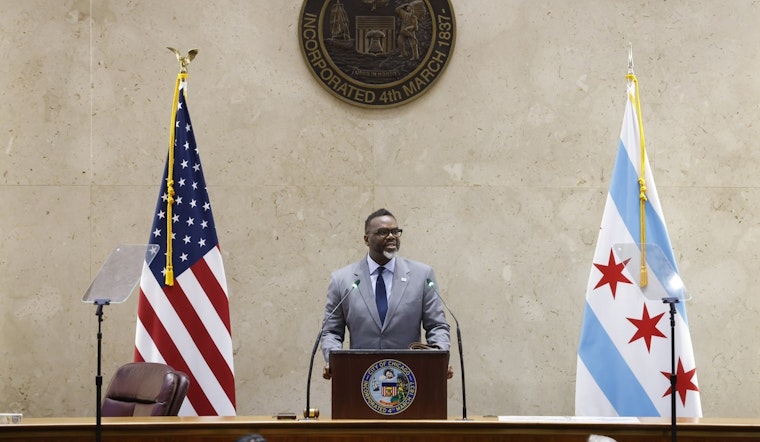
Amidst concerns about civil liberties and public safety in Chicago, Mayor Brandon Johnson is set to present his veto against the recently passed curfew ordinance at the upcoming City Council meeting. Following the proposal by the council, which offered the Chicago police superintendent the power to declare curfews within thirty minutes, the mayor has deemed this measure a case of bad public policy. As reported by ABC 7 Chicago, Mayor Johnson is planning a news conference before Wednesday's meeting to discuss his stance.
Despite the intentions behind the ordinance to address abrupt 'teen takeovers' in the downtown areas, residents are sharing mixed feelings over what the veto could mean for summer safety. Critics argue, however, that Johnson's decision may protect the city from potential legal entanglements. Yet, some residents are left uncertain about how it will affect neighborhood security, forecasting more "teen takeovers" without the deterrent of an immediate curfew.
The 'snap' curfew, as it's been titled, would have granted CPD Supt. Larry Snelling was given the authority to impose curfews swiftly to counter safety risks from large gatherings. This ordinance had passed the Chicago City Council with a 27-22 vote, which was not sufficient to override a mayoral veto since thirty-four votes are required, according to WGN TV. During a court testimony, Supt. Snelling revealed that he would not exercise these 'snap' curfew powers even if granted.
In defense of his veto, Mayor Johnson cited the ongoing success of alternative community safety strategies. "At a time when violent crime continues to trend down across the City of Chicago, it is critical that we continue our investments in community safety strategies that have a proven track record of success. In two short years, we have seen measurable, sustained decline in crime and violence in our city," Johnson wrote in a letter addressed to the City Council. A demonstration is anticipated post-Johnson's press conference, with participants urging aldermen to stand by the mayor's veto, as community members prioritize what they see as a balance between effective safety practices and the preservation of civil liberties.