

























































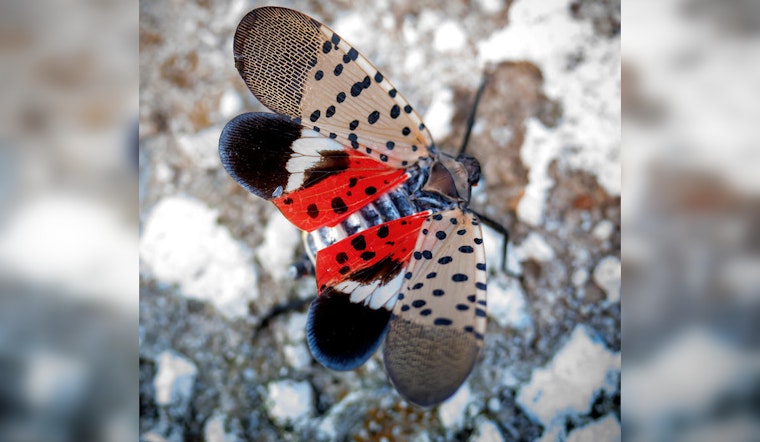
Georgia is currently on high alert as an invasive species known as the spotted lanternfly begins to make its unwelcome presence felt across the state. According to FOX 5 Atlanta, the Georgia Department of Agriculture alongside the University of Georgia are now actively searching for signs of this pest, which is a native of Asia and was first detected in the United States in Pennsylvania back in 2014.
The concern is mounting as these insects have managed to spread quickly, likely aided by human transportation. The lanternflies are adept hitchhikers, with their ability to quietly catch rides in the wheel wells of cars or on other outdoor equipment. This tendency is particularly problematic as we head into the time of year when adults, resembling moths, tend to lay eggs on portable surfaces—a fact that makes their unintentional spread all the more likely.
Following their first confirmed appearance in Georgia's Fulton County in October of 2024, much of the metro and northern regions of the state have been designated as survey priorities by wildlife experts. Atlanta News First reports that there is a significant concern for Georgia's agriculture, as the lanternfly is known to feed on more than 70 plant species, including those crucial to local economic stability.
The spotted lanternfly not only poses a risk because of its voracious appetite but also due to the messy aftermath of its feeding habits. The insects excrete a fluid called honeydew, which can attract mold and is difficult to clean, potentially increasing agricultural cleanup costs and damaging crops. The University of Georgia has conveyed the gravity of the situation, stating, "The impact on Georgia’s agriculture, forestry and nursery industries could be significant, posing a serious economic burden across multiple sectors," as noted by FOX 5 Atlanta.
Georgia officials are advising residents to be vigilant. If anyone spots a lanternfly, they are to take a clear photo, promptly kill the specimen, and report the encounter to the Department of Agriculture. These steps are vital in controlling the spread of this pest and mitigating its potentially devastating impact on the state's agriculture and natural resources.





