

























































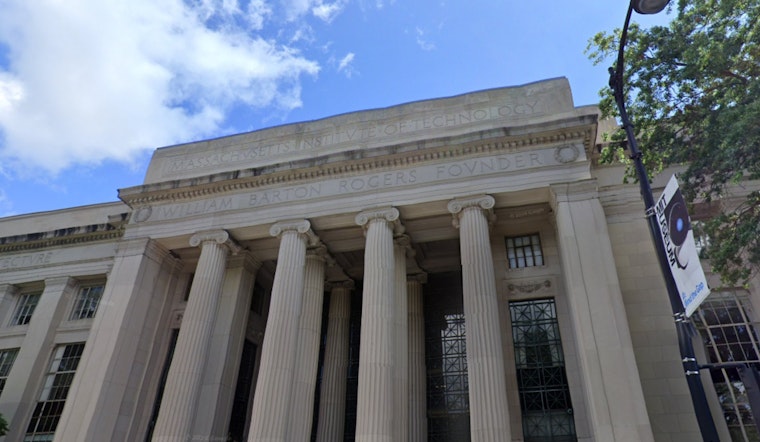
Governor Maura Healey has set into motion an ambitious plan designed to strengthen Massachusetts's standing as a frontrunner in the research and innovation sector. Officially dubbed the Discovery, Research, and Innovation for a Vibrant Economy (DRIVE) Initiative, this strategic move promises to generate thousands of new jobs and significantly bolster the state's research and innovation economy. As reported by Mass.gov, Healey will introduce legislation to back this initiative with $400 million in state funding to retain top talent, preserve a vast spectrum of jobs, and nurture the infrastructure that has allowed Massachusetts to become a hub for healthcare innovation and family welfare on a global scale.
In light of the current federal funding uncertainties, Healey's proposal is positioned to strategically, on an opportune time, safeguard the state's economic and innovation engines. The proposed budget comprises a one-time multi-year research pool and a public higher education funding reserve,diving into state and Fair Share surtax revenues for financial support. Healey emphasizes the initiative's role not just in research, but across multiple industries, stating, "This bill is about creating jobs across industries from construction and food services to health care and education."
An analysis carried out by the UMass Donahue Institute’s Economic & Public Policy Research Group paints a revealing picture of the federal funding's impact on the state: $8.57 billion in federal research and development funds annually spur over 81,300 jobs, income worth $7.8 billion, and generate north of $16 billion in economic activity. The dual benefit is clear—each dollar invested doubles in economic advantage for the state. The magnitude of this effect speaks volumes, as Massachusetts is the workplace for one-tenth of the United States' research and development jobs.
Healey's administration is setting the stage to strategically expand the reach and effect of this funding. Two hundred million dollars are to be allocated to a research fund at MassDevelopment and the remaining half to a higher education reserve aimed at supporting both the direct and indirect costs of research. Lieutenant Governor Kim Driscoll noted, "It’s more important than ever that we have a Governor who will bring people together – public, private and philanthropic – to deliver the resources our research and innovation sector needs to succeed and maintain our competitive edge."
To complement these efforts, Healey plans to sign an Executive Order to create an Advisory Commission on Advancing Research and Discovery in Massachusetts. This commission will gather key stakeholders from medical, academic, and economic development backgrounds to recommend further measures for strengthening the state's research and innovation ecosystem.
Driving home the significance of these initiatives, Administration and Finance Secretary Matthew J. Gorzkowicz felt confident in the strategic deployment of the Fair Share revenue and other reserves. He pointed out, "By leveraging both public and private investment, the Governor's proposal will enable vital research and innovation to solve some of humanity's greatest challenges, all while preserving and creating new jobs here in Massachusetts."





