

























































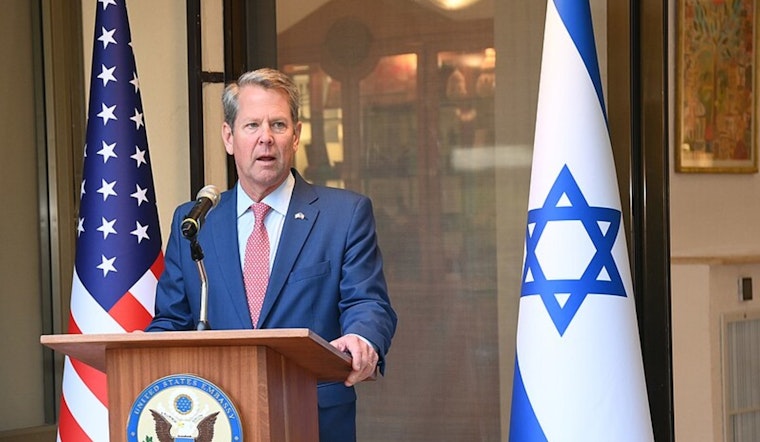
As Georgia grapples with the ripple effects of federal budgetary decisions, Governor Brian Kemp is taking a proactive stance by directing state agencies to hold the line on spending. According to FOX 5 Atlanta, Kemp, keen on insulating the state against a tide of federal funding cuts, has directed a spending freeze for the upcoming fiscal years.
In a move that reflects concern over the financial forecast, Kemp's administration is bracing for a leaner period. The state’s budget office, led by Director Richard Dunn, sent out memos to agency heads indicating no new spending increases for the Amended Fiscal Year 2026 and Fiscal Year 2027, as noted by WUGA. Agency heads have until September 5 to make their mid-year FY 2026 and full FY 2027 budget requests known, potentially signaling a time of austerity and calculated financial retrenchment.
Despite concluding Fiscal Year 2025 in a robust financial position, Governor Kemp and his advisors remain wary of the potential depletion of resources as a federally promulgated tightening draws near. "The impact of the federal budget cuts remains uncertain," stated Rick Dunn. This cautious outlook is justified by the circa $1.5 trillion cuts in President Donald Trump's budget plan, which seeks to balance out the $4 trillion in tax cuts. Critics, particularly from the Democratic aisle, argue that these moves might disproportionately benefit wealthier citizens while undercutting state-level critical services like education and healthcare.
While some Democratic lawmakers have nudged Kemp toward convening a special legislative session to deliberate on possible state funding remedies for the looming shortfalls, Kemp's foot remains firmly planted ─ opting to wait until the regular 2026 session starts in January. Meanwhile, Georgia moves into Fiscal Year 2026 with a $37.7 billion purse, a bulwark that may yet be tested by the gusts of federal cutbacks. Kemp's response, a circumscribed fiscal belt-tightening, contemplates exceptions only for enrollment-based programs, such as K-12 education and health care services, as stated in the memo by the state budget office.
With a prudent eye on the road ahead, Kemp's administrative directives highlight the ubiquitous struggle between federal and state fiscal harmonics, a dissonance felt by agency heads tasked with identifying "mandatory" needs amidst financial stasis. As WUGA reported, the spending freeze will not be absolute, with some flexibility allowed for discussions with the OPB on critical service delivery that can't be deferred or reallocated within the current budget framework.





