

























































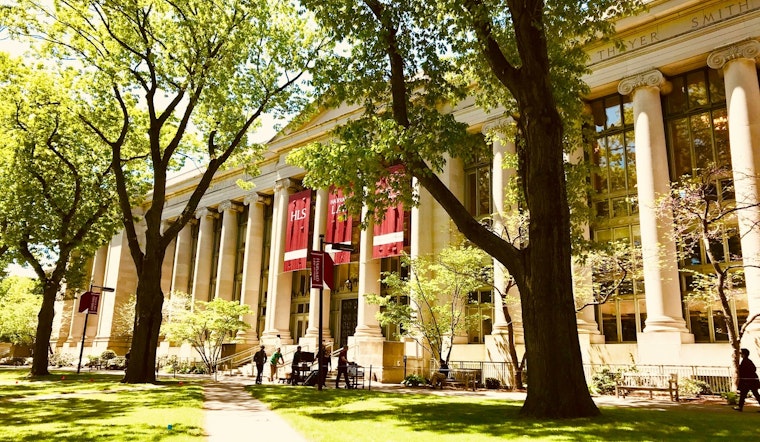
The venerable corridors of Harvard University are currently reverberating not with the scholarly debates of academia, but rather the echoes of a political tussle between the Ivy League institution and the Trump administration. As reported by NBC Boston, the State Department has its sights set on scrutinizing Harvard's eligibility to participate in the Exchange Visitor Program, a critical mechanism that allows foreign nationals to grow their knowledge stateside through cultural and educational exchange. The investigation, it seems, is but the latest move in what has been described by Harvard as a retaliation campaign following the university's refusal to comply with a host of demands from Washington.
This deepening fissure was further exemplified last month when the university faced the President's wrath - with threats to snatch away its tax-exempt status and actions that could impede its federal funding. Secretary of State Marco Rubio himself made it clear that the probe is intended to ensure that these programs "do not run contrary to our nation's interests," yet the specifics of Harvard's alleged transgressions remain cloaked in governmental ambiguity. Meanwhile, Harvard's President Alan Garber maintains a steadfast commitment to making changes fulfilling their end of the bargain to combat antisemitism and uphold the principles the exchange program was designed to foster.
But the story doesn't end with the State Department's recent maneuvering. As CBS News has pointed out, there's been an escalation in tensions between the Trump administration and Harvard, which commenced from the onset of Trump's term. A proclamation aimed at halting foreign students or exchange visitors from Harvard was signed by President Trump in June, though it was swiftly challenged in court. This exchange has highlighted the value Harvard places on its international community, which comprises roughly one-quarter of its student body.
Despite these political headwinds, Harvard remains defiant, vowing to "continue to enroll and sponsor international scholars, researchers, and students," as outlined in their response. They also intend to stand by their scholars as they navigate the complexities of securing U.S. visas. Strikingly, this dispute extends beyond borders and into the educational aspirations of countless foreign students, which makes the conclusion of this inquiry of interest not just to Harvard or the Trump administration, but to the broader international academic community seeking to forge their futures upon the prestigious grounds of Harvard.



