

























































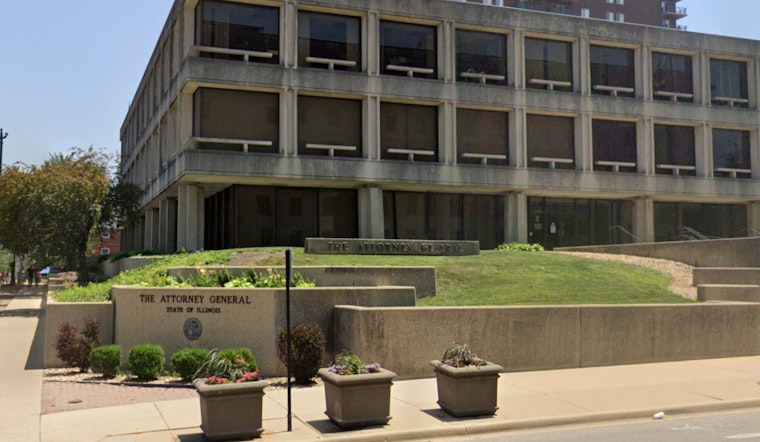
As Illinois gears up for Independence Day celebrations, Attorney General Kwame Raoul has stepped in with guidance to address law enforcement's use of drones during such events. These guidelines spell out when and how drones can be utilized by police, with a clear nod towards maintaining public safety without infringing on individual rights. Reflecting on the complex interplay of technology and liberty, Raoul stated on the Attorney General's website, "Drones are a powerful tool for law enforcement, allowing police to effectively monitor and manage large events, such as parades and festivals, that will be happening around the state this week and throughout the summer."
The newly published guidance indicates that drones should not be used to indiscriminately collect information on the public, except under specific scenarios prescribed by law. One such scenario permits the use of drones to ensure the safety of the public during widespread events like parades and festivals, but there's a hook - the police are required to explicitly notify attendees about the surveillance they'll be under. However, Raoul cautions against using drones to indiscriminately gather information on First Amendment-protected activities and their participants. "The law also does not permit law enforcement to use drones at political marches or demonstrations, unless one of the specified exceptions applies," stated the guidance.
Stringent restrictions also apply to the tools that can be attached to these drones. Law enforcement is prohibited from arming drones with weapons or using them to carry out unconstitutional searches. The use of facial recognition software is another red zone, only exempted in the event of high terrorist attack risk or urgent need to prevent immediate harm, assist in the escape of suspects, or secure evidence from being destroyed. These stipulations mark an earnest attempt to balance the influential sway of technology with the sanctity of civil liberties, kneading the contours of trust in law enforcement.
Raoul's instructional manual comes paired with best practices for agencies looking to responsibly integrate drones into their operations. These guidelines are aimed to serve as a beacon, illuminating the path agencies should diligently follow to ensure that any information gathered through drone use is properly retained and destroyed in alignment with legal requirements. The Attorney General strongly encourages both law enforcement agencies and community members to actively reach out with incidents of suspected violations. Alleged breaches of the Drones as First Responders Act can be reported to the Attorney General’s Civil Rights Bureau by calling 1-877-581-3692 or sending an email to [email protected], according to instructions detailed by the guidance.





