

























































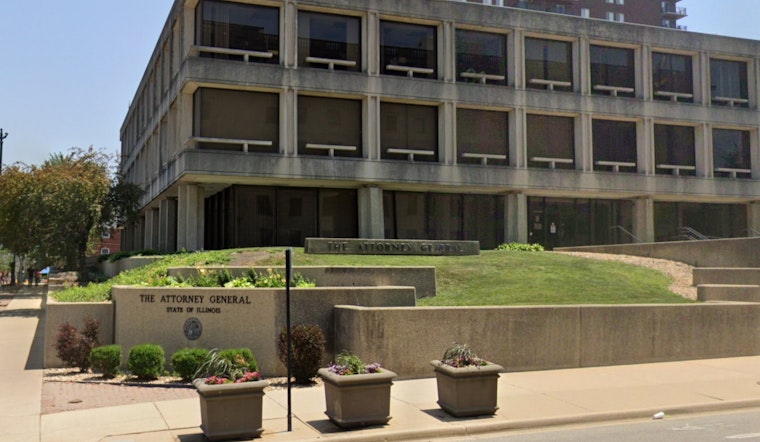
Attorney General Kwame Raoul has come forward with a public statement, received warmly by advocates of inclusive welfare programs. The federal government, in a recent turn of events, has conceded to stall its latest string of restrictions on public assistance programs, a move that raises a temporary barrier against what some have labelled as draconian policy modifications. Raoul's response was rooted in a protective stance for Illinois' essential social safety nets, which serve residents without discrimination based on immigration status.
Earlier in the week, setting the stage for this development, Raoul, together with a cohort of 20 other attorneys general, filed a suit against the federal government. Their legal challenge targeted the government's proposed alterations to the Personal Responsibility and Work Opportunity Reconciliation Act (PRWORA) interpretations, a policy that dictates eligibility for federal service support. Found at the Illinois Attorney General's office, Raoul articulated his relief, stating, "I am glad that the administration agreed to pause its notices prohibiting state safety net programs from serving all residents, regardless of immigration status, to allow time for the court to hear from both parties in this case."
This stay against enforcement is not indefinite; the moratorium from the U.S. Departments of Justice, Health and Human Services, Education, and Labor, currently is set to last until September 4, 2025. It provides a temporary haven for those relying on an array of social service programs – from crucial health care to victim counseling and education initiatives – ensuring they remain accessible to all residents in the plaintiff states. These details, coming from the same announcement, suggest a cautious optimism as stakeholders await further proceedings in the court case.
Heightening the stakes of this legal freeze is the assurance that penalties or enforcement will not target any actions taken in compliance with the previously standing PRWORA rules, within the mentioned timeframe. This declaration offers a reprieve to service providers and recipients alike, who, before the halt was enacted, might have been forced to navigate under a cloud of uncertainty and fear of retribution. The federal agencies' accord also underscores the contentious discourse surrounding public assistance eligibility and its governance, signaling potential courtroom battles ahead that could shape the landscape of public benefits for years to come.





