

























































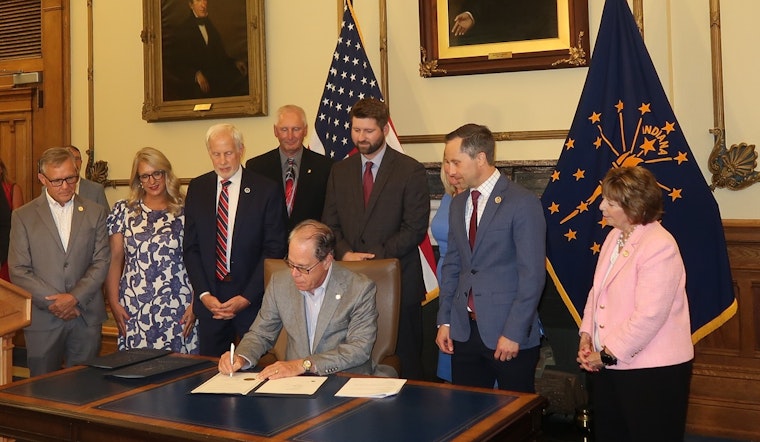
Indianapolis sees a reshaping of its educational framework as Governor Mike Braun ceremonially signed into law a cluster of education bills with the purpose of streamlining school regulations, enhancing accountability, and aligning higher education with market demands. At the heart of these reforms is State Rep. Bob Behning (R-Indianapolis), who authored and sponsored legislation that includes House Enrolled Act 1002, which purportedly simplifies compliance by cutting back Indiana's education code by nearly 10 percent.
"Cleaning up our education regulations will make them easier for teachers and administrators to understand and give them more time to focus on providing quality academics for our children," Behning explained in a statement. Furthermore, House Enrolled Act 1498 intends to reintroduce A-F grading for K-12 schools, providing parents and officials a "more accurate picture of how their schools are performing," as the grading system had been on hiatus since the onset of the pandemic.
Additional measures include Senate Enrolled Act 448, which Behning also sponsored, granting the Indiana Commission for Higher Education greater influence over collegiate academic programs. This move aims to create a workforce-ready talent pipeline that is in step with economic needs. Another piece of legislation, Senate Enrolled Act 373, will see the authority to allocate federal funds for children with disabilities shift to the Indiana Department of Education, a transfer that is expected to enhance the provision and equitable access to services for more than 180,000 students in the state.
The legislative spree, designed to tighten the state's academic infrastructure, reflects a broader trend toward modernizing and refining the educational landscape. Behning emphasized the significance of this, noting that by revamping high school diplomas and offering more choices, Indiana's academic leaders "have been working hard to strengthen our academic offerings and provide more information to families."




