

























































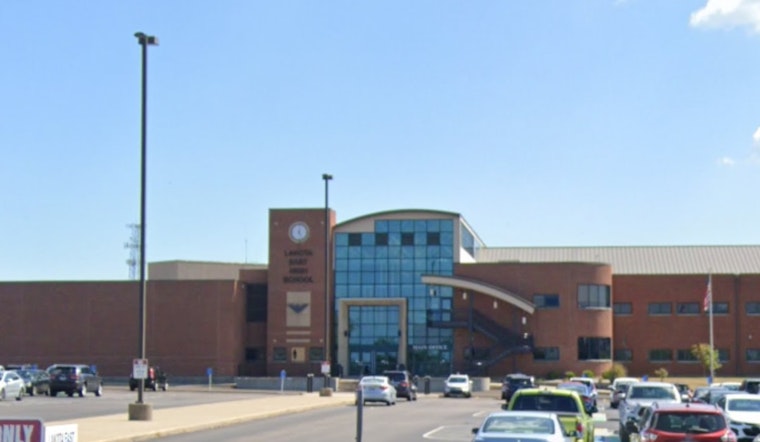
In a move to address ongoing overcrowding and aging infrastructure, Lakota Local Schools has proposed two tax measures to fund facility improvements and expansions. According to WLWT, the Ohio school district is looking for voter approval this fall on a 4.99-mill bond that would raise $506.4 million, which would be repaid over 37 years, and a smaller, permanent improvement levy of 0.95 mills expected to generate $4.98 million for maintenance needs.
Superintendent Ashley Whitely outlined the necessity of the bond issue, expressing concern over how students are currently forced to adapt to cramped conditions, "We're allowing our kids opportunities for collaboration, but we're doing it in hallways because we just don't have space," she told WCPO. The improvements include constructing four new elementary schools, and moving towards a K-5 elementary and 6-8 junior high school model by 2028, followed by a 9-12 high school model by 2029.
While the proposed tax increase would ostensibly hike up rates to $93 per year for each $100,000 of a home's value, the district argues the actual impact on taxpayers would be halved due to other financial maneuvers, as well as retiring school debt and favorable bond ratings, as detailed by the district's treasurer, Adam Zink, in a report by WCPO. The district plans to only begin new tax collections in 2029, aiming to start construction in 2026 if voters green-light the measures.
Despite the financial concerns, many parents are leaning toward support, recognizing the upgrades' potential to enhance the district's educational environment and, perhaps, property values. "We have kids in this district, and I think it's important for property values and to keep our community strong," Lakota parent Christina Norris expressed in an interview with WCPO. On the flip side, families are having to carefully weigh these improvements against their personal financial situations.
According to a report on WVXU, Whitely believes the redesign will not just accommodate current needs but will also create infrastructures flexible enough to meet future demands. "We need buildings that can flex and morph to meet the accommodations and needs of our students," Whitely stated. The district's planning phase is poised to kick off immediately if the bond issue is passed this fall, with the older buildings scheduled for demolition by 2030, completing the district’s transition.


