

























































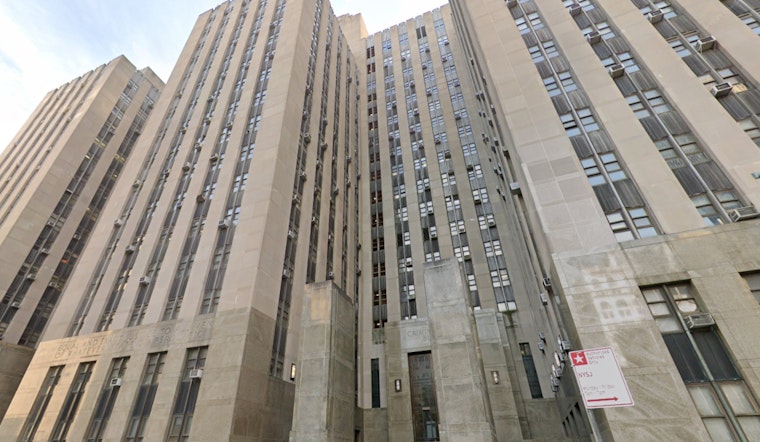
In an effort to address past injustices within the criminal justice system, Manhattan District Attorney Alvin L. Bragg, Jr., recently took steps to rectify the wrongful convictions of two men, Charles Collins and Brian Boles, who were found guilty of a 1994 homicide they did not commit. Bragg's office, in collaboration with the Innocence Project and law firm Ropes & Gray, filed motions to vacate these convictions based on new DNA evidence and violations of due process at their original trials. According to a statement from the Manhattan District Attorney’s Office, advanced DNA testing that was not available at the time of the trial revealed foreign DNA under the victim's fingernails, which did not match either Collins or Boles.
The case originated from the murder of 85-year-old James Reid, which both Collins and Boles, then teenagers, were pressured into confessing. While both men pleaded guilty to an unrelated robbery, they have long maintained their innocence in Reid's murder, claiming their confessions were the result of coercion by law enforcement. As obtained by the Manhattan District Attorney’s Office, Bragg highlighted the importance of undoing this wrong, stating, "Charles Collins and Brian Boles served significant time in jail and suffered the devastating consequences of their unjust convictions for decades. We cannot undo the harm to their lives, but it is never too late to do what is right."
This judicial reversal comes after thorough reinvestigations by the Office’s Post-Conviction Justice Unit (PCJU), which since its inception in 2022, has sought to revisit cases marred by potential errors or misconduct. The unit’s exhaustive review of the the Reid case included not only the new DNA testing but also a reexamination of the prosecutorial and police records, witness interviews, and trial transcripts. The findings were clear: Neither Collins nor Boles's DNA was present at the crime scene, and exculpatory evidence that could have benefited the defense was not presented during the initial trial process.
The injustice suffered by Collins, who was 17 at the time and served nearly 22 years in state prison, and Boles, also 17 at the time of conviction and who was incarcerated for almost 30 years, is one among many that PCJU aims to rectify. These efforts underscore a wider movement within justice systems to reassess convictions and emphasize the reliability of new forensic methods. District Attorney Bragg, acknowledging the irreversible impact of these wrongful convictions, asserted, "Unjust convictions not only hurt impacted individuals but also undermine faith in the criminal justice system, which makes all of us less safe," during the Manhattan District Attorney’s Office's press release.
In recognizing the significance of this moment for the two men, their families, and the justice system as a whole, Bragg's office and advocates from organizations like the Innocence Project continue working to bring historical wrongs into the light, advocating for not only retrospective justice but for the reforms necessary to prevent such miscarriages from occurring in the future. The dismissal of these convictions represents a step, however belated, towards the ideal of a justice system rooted in fairness and truth.





