

























































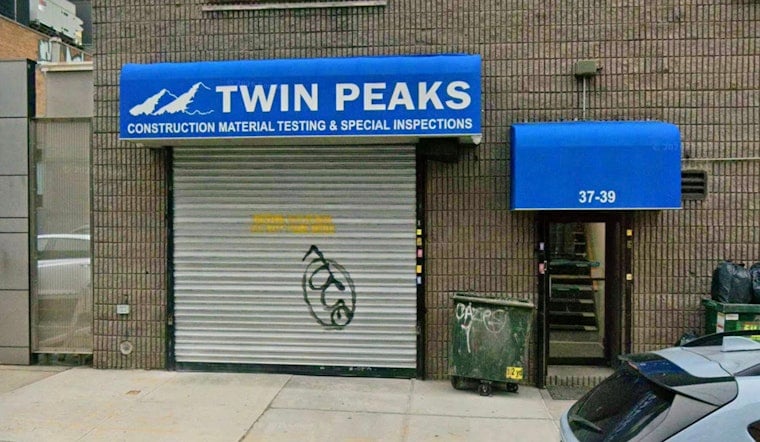
Two former employees of Long Island City–based special-inspections firm Twin Peaks Inc. have filed a federal lawsuit accusing the company’s founder, Jerry Agajian, of a yearslong pattern of sexual and racial harassment. The complaint describes a workplace where crude remarks allegedly became routine, including an alleged reference to his penis as “Armenian sausage,” and claims the women were fired after they turned down his invitation to a personal dinner. The plaintiffs are seeking unspecified damages and want their jobs back.
What the complaint alleges
According to Wigdor LLP, the complaint says Agajian routinely directed sexualized comments at female employees, sent explicit social media videos, and used derogatory nicknames tied to workers’ ethnic backgrounds. The two former staffers say that conduct created a hostile work environment that left them humiliated and unable to do their jobs properly.
How plaintiffs say it unfolded
Wigdor’s announcement states that the situation came to a head on March 31, 2026, when Agajian allegedly pushed the two women to meet him for an off-the-clock dinner. When they refused, the complaint alleges they were instructed not to come back the next day and were then terminated. “Sexual harassment is exceptionally disquieting when it occurs at a company that benefits from projects partly funded by taxpayer investment,” the firm said in its statement.
Why city contracts raise the stakes
Twin Peaks is not just any private outfit. A 2024 City Record notice shows a renewal awarding “Special Inspections & Laboratory Testing” work to Twin Peaks at 37-39 30th Street in Long Island City, indicating the firm is tied to publicly connected projects. That municipal vendor status is central to the plaintiffs’ argument that companies benefiting from taxpayer-supported inspections should be held to particularly strict standards when it comes to workplace conduct.
What the suit seeks and next steps
The complaint names both Agajian and Twin Peaks as defendants and seeks reinstatement along with unspecified damages. The plaintiffs say they were fired on April 1, one day after declining the dinner invitation, as reported by the New York Post. Filed in federal court, the suit asserts claims of sex and national-origin discrimination and a hostile work environment under federal law, according to the complaint.
Legal context
Federal law and guidance from the EEOC prohibit harassment and retaliation based on sex and national origin in the workplace. On top of that, New York City’s Human Rights Law, enforced by the NYC Commission on Human Rights, creates an additional local layer of protection, including requirements for annual sexual harassment training and explicit safeguards against retaliation. Employers found to have willfully violated these rules can face civil penalties along with damages.
What to watch
Next up, the court will set a timetable for motions, discovery, and any hearings. The allegations could also draw closer scrutiny of Twin Peaks’ status as a vendor on public projects. We will update this space as new filings appear on the docket or if either side issues formal statements.


