

























































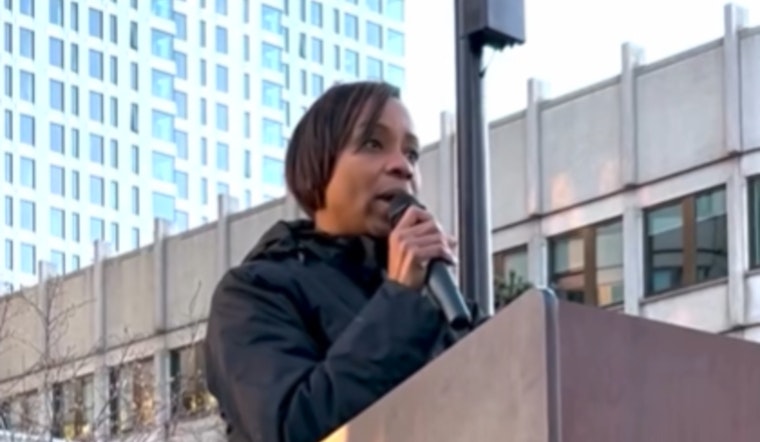
In a move that targets what many say are the communities most in need, the U.S. Environmental Protection Agency (EPA) has come under fire for their decision to scrap the Environmental and Climate Justice Block Grant Program, which was initially set up to support populations disproportionately affected by environmental challenges. Leading a coalition of 20 attorneys general, Massachusetts AG Andrea Joy Campbell has co-authored an amicus brief in opposition to the termination, which was reported by Mass.gov. Campbell stressed the unlawfulness of the EPA's action, noting, "Congress appropriated this funding to address the longstanding and disproportionate environmental burdens faced by communities across the country that do not have the resources they urgently need," in a statement provided by Mass.gov.
The grant program was originally made possible by Congress through the 2022 Inflation Reduction Act, mandating that the EPA distribute $3 billion to alleviate long-standing environmental disparities. Massachusetts, which had anticipated distributing over $85 million for approximately nine grantees through the program, will see important projects and efforts face setbacks or even complete cessation. Springfield, for instance, was set to receive a significant $20 million to combat air pollution, initiate a community solar project, and reduce urban heat impacts by planting trees, as outlined by the City of Springfield, a named plaintiff in the ongoing litigation.
As the attorneys general coalition argues, the EPA's sweeping cancellation of the environmental justice grants directly goes against the explicit directives from Congress and significant constitutional principles; when Congress instructs with mandatory language as it did within the Inflation Reduction Act, it is expected that these are commands rather than suggestions, leaving no leeway for an agency to retract funding at its own discretion. The legal coalition urges the court to approve a motion for a preliminary injunction, as such a step would preserve the essential support these marginalized communities desperately need.
AG Campbell wasn't alone in her stance; she shared a leadership role with the attorneys general of New York and California, with additional support from her counterparts in Arizona, Colorado, Connecticut, Hawai’i, Illinois, Maine, Maryland, Michigan, Minnesota, New Jersey, New Mexico, North Carolina, Oregon, Rhode Island, Vermont, Washington, and the District of Columbia. Their collective brief framed a united front essential to challenge what they view as the EPA’s negligence and disregard for legal and moral responsibilities towards citizens in vulnerable positions.





