

























































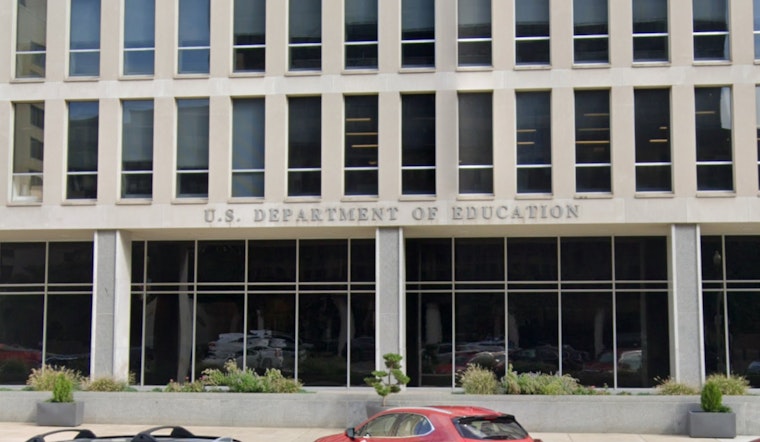
For a record-breaking seventh year in a row, the U.S. Department of Education's Office of Special Education Programs (OSEP) has awarded Massachusetts with a “Meets Requirements” rating in the realm of special education. This recognition signals the continued dedication to quality education for students with disabilities under the current administration. Governor Maura Healey and Lt. Governor Kim Driscoll have both expressed pride in the consistent achievements of their state's educational system, supported by the Legislature.
Through the fiscal year 2026 budget, Governor Healey proposed significant funding increases for the Special Education Circuit Breaker program, which the Legislature backed, reaching a historic $675 million. "Massachusetts continues to lead the nation in providing high-quality education for all of our students," said Governor Maura Healey on mass.gov, acknowledging the support for students, educators, and schools. However, serving the highest special education instructional and transportation costs, the Circuit Breaker funds may not be enough to completely offset all needs.
OSEP's assessment includes various criteria from compliance with the Individuals with Disabilities Education Act (IDEA) to student outcomes and equity in disability identification. "This designation is a point of pride, and we will continue to improve services for students with disabilities," Dr. Patrick Tutwiler, Massachusetts Secretary of Education, told the press. Ensuring equity and excellence forms the backbone of these annual evaluations, which Massachusetts has consistently respected.
The DESE's approach includes providing targeted technical assistance and promoting professional development for educators. Pedro Martinez, Commissioner of Elementary and Secondary Education, expressed his intention to further improve high-quality services for students by partnering with districts, educators, and families, in a statement obtained by mass.gov. However, comprehensive reviews of district policies related to special education might not be comprehensively reaching every single school practice.
This endorsement by OSEP has been attributed to the collective efforts of lawmakers, educators, and families as much as the administration's policies and investment. Senate President Karen E. Spilka conveyed a strong message of support for individuals with learning challenges, stating, "This recognition shows that our efforts are making a difference," according to a press release. Bipartisan consensus in the state acknowledges the positive outcomes of such educational investments and reflects a shared drive for continued advancements in special education.





