

























































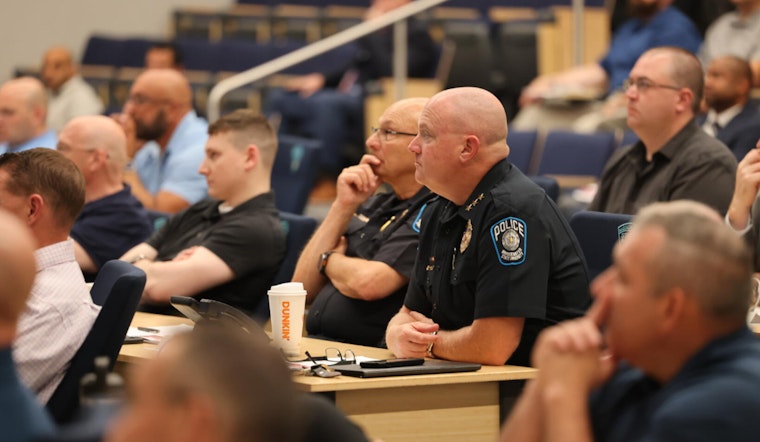
The Massachusetts State Police have taken a proactive step towards fostering a climate of security and inclusivity within the state's colleges and universities, convening a two-day training program titled Navigating Through Campus Conflict. The initiative, developed in collaboration with the International Association of Campus Law Enforcement Administrators and Rutgers University's Miller Center on Policing and Community Resilience, brought together 100 campus leaders to address the pervasive issues of harassment, violence, and hate that distress educational environments, as reported by the official state website.
According to the Massachusetts government announcement, the program consisted of 10 distinct modules focused on informing participants about the complexities of hate crimes, bias incidents, and the legal reporting responsibilities incumbent upon institutions under federal law; it further equipped the campus leaders to take decisive action in the face of such incidents to protect vulnerable communities and sustain an affirming campus culture.
Governor Maura Healey emphasized the importance of safety and welcomed on academic grounds, remarking, "It is essential that everyone who studies, teaches and works at our colleges and universities feels safe and welcome," in a statement obtained by the state website. Echoing the sentiment, Lieutenant Governor Kim Driscoll recognized the role of every educational institution in manifesting values of respect, inclusion, and dialogue, explaining how these virtues stand to benefit the broader community.
Public Safety and Security Secretary Terrence Reidy highlighted the acute pressures that academic institutions face, largely external yet deeply impactful, that necessitate preparedness in addressing hate and hostility, the importance of which can't be overstated especially given the myriad roles colleges play in not just education, but in community and economic development as well. Colonel Geoffrey Noble, representing the Massachusetts State Police, emphasized the vitality of safe campuses to the state's educational prestige and the significance of continued dialogue accentuated by the Excellence Initiative.
Amidst the urgency to ensure campus safety, Paul Goldenberg, Miller Center Chief Advisor on Policy and International Policing, underscored the critical timing of such training by stating, "America’s campuses are no longer insulated from the global unrest we see on the evening news — they have become battlegrounds of ideology, identity, and safety," according to the state press release. The collaborative expertise pooled to spearhead this initiative, as described by retired Chief Paul Cell, Executive Director of the International Association of Campus Law Enforcement Administrators, is imperative in addressing the nuanced challenges confronting higher education today.
The efforts by Governor Healey and Lieutenant Governor Kim Driscoll extend beyond this training, with the administration having allocated $24.5 million in Hate Crime Prevention Grants through the Office of Grants and Research within the Executive Office of Public Safety and Security. This funding is tailored to assist in nurturing an environment free from bias-related incidents across Massachusetts' educational landscape, reinforcing the state's dedication to its values of diversity and inclusion.



