

























































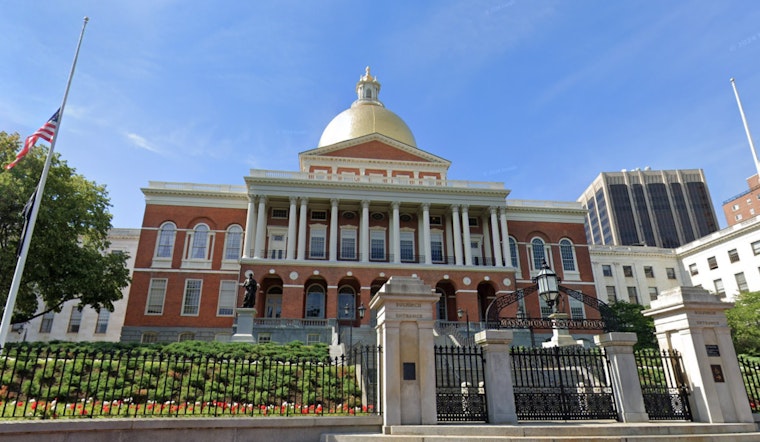
The Healey-Driscoll Administration in Massachusetts has unveiled a substantial Capital Investment Plan (CIP) valued at $16.6 billion, set to span the fiscal years 2026 through 2030. Focused on key societal priorities, the CIP addresses housing affordability, economic development, and a range of infrastructure improvements, including transportation, according to their recent announcement.
Fiscal Year 2026 (FY26) will see over $3.2 billion in spending, marking a noticeable increase from the previous year. The Mass Leads Act, an economic development bill of significance, is set to benefit from said funds, paving the path for advanced sectors like applied AI. Governor Maura Healey noted on Mass.gov, “Our capital plan focuses on smart, fiscally responsible investments to make Massachusetts more affordable, more competitive, and create more jobs,” in an approach aimed at enhancing affordability and competition across the state. Housing, a crucial pillar of this strategy, receives a substantial infusion with the establishment of HousingWorks, a funding beacon for infrastructure projects galvanizing housing production and job creation.
Lieutenant Governor Kim Driscoll emphasized on Mass.gov the administration's commitment to buttressing communities with over 70 grant programs, echoing the same tune: "With support for over 70 community grant programs, totaling $750 million each year, and critical funds to improve municipal infrastructure, the FY26-FY30 CIP reinforces our ongoing commitment to partnering with cities and towns to ensure healthy and vibrant communities for residents."
Transportation is another cornerstone, receiving a powerful boost via a $1 billion allotment for local road and bridge upgrades. Connectivity initiatives like the much-discussed West-East Rail also find a footing in the investment strategy, while the MBTA looks ahead to an approximate $1.14 billion purse earmarked for station accessibility improvements and public transit vehicle procurement.
Not one to rest on its laurels, economic development rides high with a $1.5 billion dome earmarked for the Executive Office of Economic Development over the plan's tenure.
Underpinning this ambitious agenda is the inevitable fight against climate change. The CIP pledges over $671 million toward clean water and drinking water ventures, with an additional $129.5 million funneling into the state’s Municipal Vulnerability Preparedness (MVP) program, cushioning communities from the harsh realities of floods, extreme heat, and coastal erosion.
Finally, the plan spares a thought for the state's capital assets. More than $1.0 billion is destined for deferred maintenance which will extend the life of assets, mitigate future costs while honing the efficiency of buildings to better serve Massachusetts' population.
Transportation Secretary and CEO Monica Tibbits-Nutt wrapped up the sentiment well on Mass.gov: “With $16.6 billion in strategic investments, we are laying the foundation for generational change—advancing affordable housing, modernizing our infrastructure, creating meaningful jobs, and fueling inclusive economic growth.”





