

























































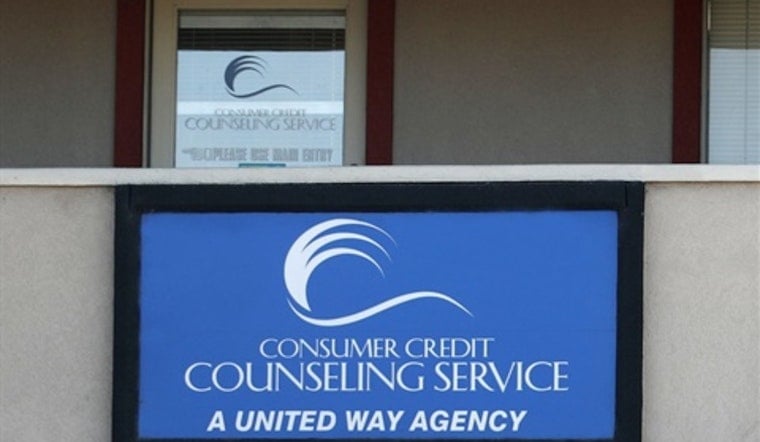
In addressing the pressing issue of homelessness in Oregon, a notable stride has been made by the Consumer Credit Counseling Service of Southern Oregon (CCCS) which has successfully kept 22 families from losing their homes, this endeavor was bolstered by a $35,000 grant from the Council Community Initiative Fund (CCIF), an initiative that draws from the local and state marijuana tax revenue to fund projects aimed at enhancing community well-being. In a June 18 meeting, Bill Ihle, the CEO of CCCS, expounded to the City Councilors on how the grant supported a novel program designed to help clients through individualized credit counseling, financial literacy education, and debt-management strategies, a service extension that the organization has not witnessed before.
As reported by the City of Medford's official website, Ihle emphasized that the savings from the program, which can accumulate to "three to four hundred dollars" monthly, are crucial to the families for whom the choice between homelessness and having food on the table is a stark reality, the weight of this sum resonates deeply with clients whose financial margins teeter precariously on the edge. In a cascading effect of benevolence in September 2024, the Medford City Council assigned $570,000 to multiple community organizations and programs, amongst them the life-preserving initiative by CCCS, providing a much-needed financial lifeline to those at risk of destitution.
Founded in 1971, CCCS has committed itself to aiding individuals and families on their journey towards financial stability and in preventing homelessness. With an annual service to more than 3,000 clients, 90% of whom fall under the low-income bracket, the organization's role in the community is a testament to its enduring mission. The efforts of CCCS serve as a beacon, illuminating the path to security for countless individuals whose financial struggles represent a larger narrative of socio-economic challenges within our society.
The infusion of funds from CCIF, as reported by the City of Medford, not only allowed CCCS to push the boundaries of its capacity but also demonstrated how targeted financial support can prevent the ripple effects of homelessness, the programme's success emphasizes the potency of preventive measures in addressing socio-economic issues, showing that with the right allocation of resources, we can craft a safety net that holds strong against the winds of adversity.


