

























































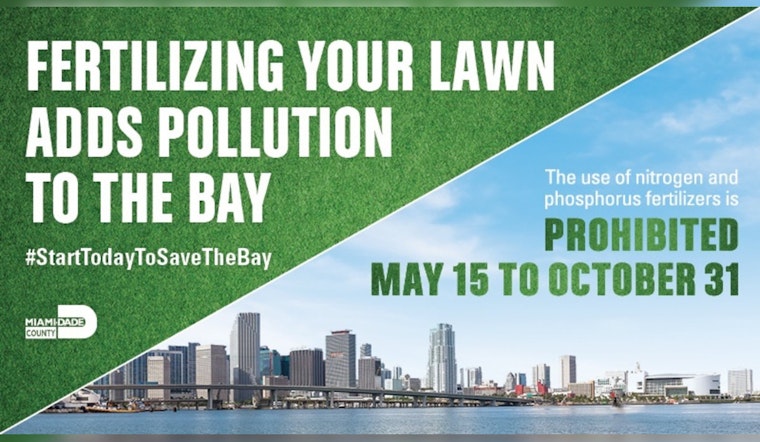
As the rainy season approaches in Miami-Dade County, a pivotal public ordinance is in focus, one that resonates with environmental health and local regulations. From May 15 through Oct. 31, a ban on fertilizers containing nitrogen and phosphorus is implemented, a response to concerns that these chemicals, if used during this wet period, could wash into surface waters and negatively impact ecosystems, particularly in Biscayne Bay. The ordinance stipulates specific guidelines for timing, amounts, and areas of fertilizer application, aiming to mitigate the risk of excess nutrients reaching the bay, which have been tied to ecological distress including seagrass die-offs, algal blooms, and fish kills, according to the county's official announcement.
Research draws a direct line between urban watershed activities and the health of water resources. The 2023 Biscayne Bay Economic Study, noted by Miami-Dade County's official website, highlighted a staggering $64 billion in economic output linked to Biscayne Bay-related activities. Such figures underscore the broader economic ripple effects of environmental policies, with the health of Biscayne Bay being vital not only to marine life, but also to the county's financial wellbeing. Residents and businesses, therefore, have a vested interest in adhering to the seasonal fertilizer ban.
Compliance with the fertilizer ordinance is crucial and extends to both commercial and residential fertilizer applicators as well as landscape managers. Through the ordinance, individuals and entities involved in landscape management are educated on the proper handling of grass clippings and vegetative debris, and local businesses are required to undergo specific training. This comprehensive approach aims to equip everyone with the knowledge to act in accordance with the regulations, thereby supporting the collective effort to safeguard Biscayne Bay.
Environmental stewardship calls for community awareness and participation. To this end, the county provides a marketing toolkit designed to facilitate the spread of information regarding the fertilizer ordinance. This toolkit contains resources that detail the rules and provide strategies for effective communication about the importance, of proper fertilizer usage. By leveraging these tools, Miami-Dade County residents and businesses can play an active role in preserving the delicate balance of their local environment.





