

























































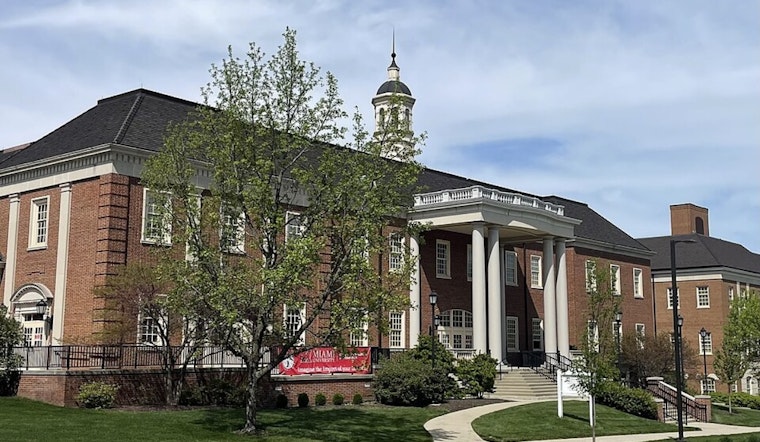
An undergraduate student from Miami University has recently shone light on a pressing issue in Chicago—the need for better beach accessibility for people with disabilities. The student's research specifically scrutinized eight North Shore locations across a span of ten miles, discovering a variety of obstacles that barred individuals with limited mobility from enjoying the lakesides.
Accessibility barriers ranged from worn infrastructure to poorly maintained pathways, troublesome sand distribution, and challenging shorelines. Despite some beaches being equipped with groins and beach matting, these features were inadequate for providing unhindered access to the water's edge, according to the Miami University research conducted by Molly Weeldreyer. Subpar funding emerged as a core issue preventing consistent accessibility improvements, with some locations receiving more resources than others. Notably, the study revealed that extreme weather damages essential beach infrastructure, incurring hefty expenses for repairs.
Seasonality further exacerbates the problem as key accessibility features, like beach matting and wheelchairs adapted for sandy terrains, are frequently only available during peak summer months. "Accessibility is a multifaceted issue. There are a lot of things that go into it, like financing. I found a lot of beaches just didn’t have the financing to implement these accessible features," Weeldreyer told Miami University News. The study suggests a mixed approach, utilizing both permanent and temporary features throughout the year as the most effective remedy.
Further areas surrounding the beaches are considered integral to overall beach accessibility, with transportation, parking, and sidewalks factoring into the broader discourse. Weeldreyer's findings stemmed from her participation in a capstone class on Contemporary and Urban Planning Debates in Chicago, facilitated by Damon Scott, associate professor of Geography and Global and Intercultural Studies at Miami University. "People with disabilities exist everywhere and they deserve to be in all the places that exist. I feel it’s really important to bring awareness to this topic and get people talking about it," said Weeldreyer during her interview with Miami University News. Her research highlights the paucity of literature on beach accessibility and the crucial nature of her work in paving the way toward more inclusive public spaces.





