

























































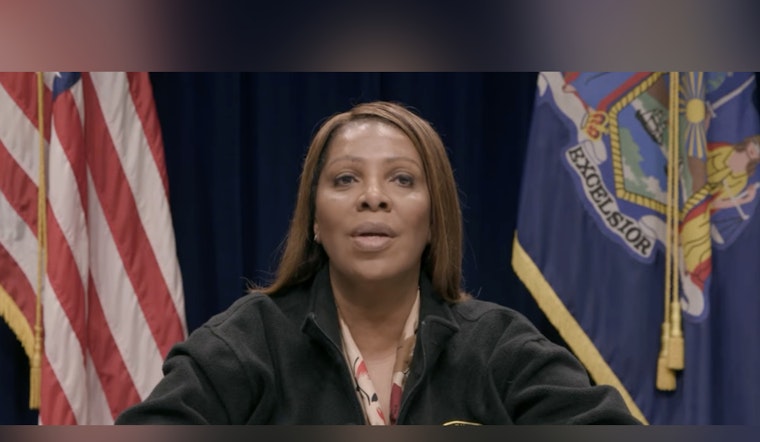
Last week, New York Attorney General Letitia James led a coalition of 16 attorneys general in a lawsuit against the U.S. Department of Education and its Secretary Linda McMahon for the cancellation of over $1 billion in funding for school-based mental health services, as reported by the New York Attorney General's office. The axed programs, the Mental Health Service Professional Demonstration Grant Program (MHSP) and the School-Based Mental Health Services Grant Program (SBMH), were initially put in place to counteract the growing crisis of youth mental health that gained national spotlight after shootings in schools like Parkland and Uvalde.
The sudden funding cuts which were slammed as unconstitutional by James are a pivot away from bipartisan efforts to bolster mental health services in educational settings; these programs had aimed to place 14,000 mental health professionals in schools by 2026, especially those located in underprivileged and rural areas. "By cutting funding for these lifesaving youth mental health programs, the Department of Education is abandoning our children when they need us most," James stated, emphasizing the detrimental impact faced by students and school districts, according to the New York Attorney General's Office.
Notably, the MHSP and SBMH programs had bipartisan roots and had shown tangible success, with hundreds of thousands of students accessing needed services and retention rates for hired mental health professionals hitting 95%. The lawsuit points to this substantial evidence of success, and claims that the termination of these grants was not based on any failings on the part of grantees but instead due to the programs' commitment to diversity, equity, and inclusion (DEI) goals, which became a bone of contention with the current administration despite being a criterion rooted in federal law.
Anticipating grave repercussions starting this autumn, public schools across the nation are now left hanging without reliable mental health services for students, the cessation of these grants could mean massive staff layoffs and the end of training programs crucial for addressing current mental health professional shortages. New York alone is bracing for a loss of at least $19 million in previously approved funding, risking mental health care for thousands of students including those in SUNY Binghamton and SUNY Buffalo, which would have to eliminate positions and training fellowships integral to their current mental health framework – a framework built upon federal support and legislative intent that's been abruptly deconstructed by the edict of an administration ostensibly marooning its commitment to student health and well-being.
Alongside James, attorneys general from California, Colorado, Connecticut, and other states have joined the legal challenge, demanding the restoration of funding for the entirety of the grant terms and seeking a judicial declaration that these cuts are unlawful. The New York Attorney General's Office sharply criticized the cancellations as a breach of the Administrative Procedure Act and Congress' spending authority, and are now urging the courts to protect school-based mental health infrastructure from facing the brunt of political shifts.




