

























































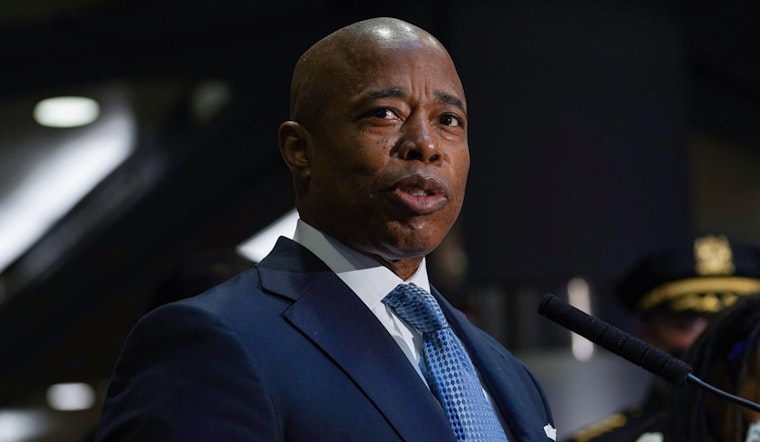
In a recent briefing, NYC Mayor Eric Adams and Dr. Michelle Morse, Acting Commissioner of the Department of Health and Mental Hygiene (DOHMH), have shared a glimmer of hope amidst the opioid crisis—provisional data indicates that the city witnessed the lowest number of opioid overdose deaths in the third quarter of 2024 since 2020, as reported by the Mayor's Office official announcement. The data shows a decline to 498 deaths from an overdose last quarter, a stark contrast to the 3,046 lives claimed in 2023, and alongside this decrease, the city is bolstering efforts with a new investment strategy to further reduce these numbers.
This strategic move involves $4 million allocated yearly across contracts to treatment providers, aiming to streamline access to opioid use disorder medications like methadone and buprenorphine—and here's the critical part—Mayor Adams is pushing an innovative model of care that allows at-risk individuals to receive same-day treatment and medication with fewer bureaucratic hoops to jump through, which could see real change in how treatment is provided and accessed; according to Mayor Adams, "For too long, opioid overdoses have ripped families and communities apart, but there is light on the horizon with opioid overdose deaths citywide seeing their lowest numbers in five years." The contracts will support a range of services including the expansion of on-the-ground outreach efforts and building stronger links between healthcare systems and social services to form a more cohesive care network, as per the Mayor's Office.
Supported by significant funds from opioid settlements—which have already accrued over $154 million for New York City—DOHMH has strengthened wraparound services at syringe service programs providing critical medical care and referrals to treatment, meanwhile, NYC Health + Hospitals has hit milestones with patient engagements through its substance use services tallying upwards of 70,000 encounters, this, in a city where every effort counts towards mitigating the opioid crisis and supporting those on the path to recovery.
Dr. Morse from DOHMH highlighted the importance of persistent efforts, saying, "While overdose deaths in New York City show signs of continued decline, we must keep our foot on the gas pedal to continue to save more lives"; she emphasized the department's commitment to equitable access to treatment and enforcing evidence-based interventions through partners in the community, the funding allows for an array of programs—ranging from emergency department-based overdose response to comprehensive addiction consultations across hospital admissions, as detailed by the Mayor's Office official press release.
All these strides are part of a grander vision known as "HealthyNYC," with the aim to elevate the average New York City lifespan to 83 years by 2030, tackling not just opioid overdoses but also other leading causes of premature death, and for New Yorkers seeking substance use services, help is readily available—they can call or text 988 anytime for support.





