

























































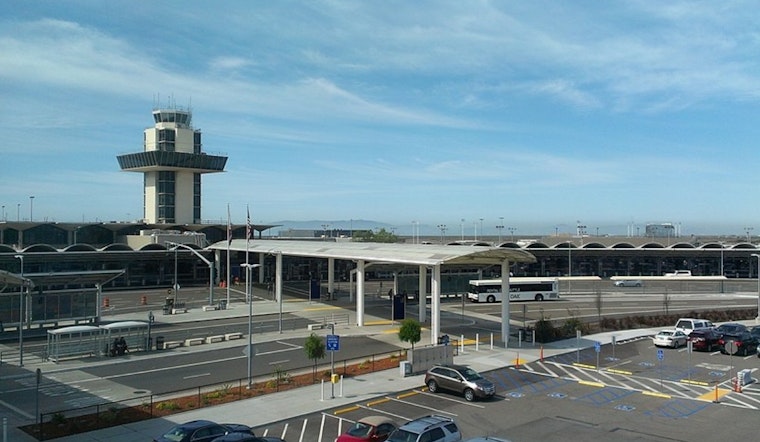
If at first you don't succeed, try, try again—preferably with better lawyers and a slightly different name. The Port of Oakland just gave their airport drama a sequel, unanimously voting Thursday to rebrand Oakland International Airport as "Oakland San Francisco Bay Airport," because apparently one courtroom beatdown from San Francisco wasn't enough to kill their geographical aspirations.
The 7-0 vote by Port commissioners makes official what's been Oakland's worst-kept secret since June: they're not giving up on borrowing San Francisco's brand cachet, they're just getting more creative about it. According to the Port, the new name goes into effect immediately, because why wait when you've already spent months in federal court over this?
The man behind this persistent rebranding campaign is Craig Simon, Oakland's Director of Aviation, who's been the public face of what can only be described as the Bay Area's most expensive identity crisis. "We are proud to be a central gateway to the Bay Area, and we're proud to embrace a name that reflects both our local roots and regional reach," Simon said, somehow managing to keep a straight face while essentially saying 'we're Oakland, but also San Francisco, but mostly Oakland, but did we mention San Francisco?'
Round Two of the Bay Area Airport Wars
This latest naming attempt comes after Oakland's first shot at geographical rebranding got shut down harder than a dive bar at 2 AM. As Hoodline reported, U.S. District Judge Thomas Hixson ruled in November that Oakland's previous attempt—"San Francisco Bay Oakland International Airport"—could cause "irreparable harm" by misleading travelers into thinking the two airports were affiliated.
San Francisco wasn't having any of Oakland's semantic gymnastics this time around either. Airport spokesperson Doug Yakel delivered what amounts to a corporate eye-roll: "We are disappointed that the Port of Oakland has yet again announced an airport rebrand that seeks to capitalize on the San Francisco International Airport's globally recognized brand," according to Local News Matters.
The legal drama stems from San Francisco's iron grip on airport branding in the region. Hoodline previously detailed how San Francisco has held federal trademark protection for "San Francisco International Airport" since 1954, with the registration achieving "incontestable status" under federal law. The city has poured over $34 million into promoting the SFO brand in the last decade alone—which explains why they're not exactly thrilled about Oakland's copycat strategy.
Meet the Captain of This Ship
Craig Simon's career path reads like a Bay Area airport insider's resume. The 22-year industry veteran spent 11 years at San José Mineta International Airport before landing at Oakland in 2012, working his way up from operations roles to become the face of this ongoing branding battle when he formally took the director role in July 2023.
Simon now manages more than 200 staff from the airport complex on Airport Drive in Oakland, overseeing what Port officials claim is the second-busiest airport in the Bay Area and the region's top air cargo hub. The economic stakes aren't small change: according to Port data, Oakland airport operations support more than 98,000 jobs regionally with a $174 billion economic impact.
The Power Players Downtown
The strategy is being orchestrated from the Port of Oakland's waterfront headquarters on Water Street in Oakland, where executives have been treating this name change like a matter of municipal survival. The Port operates both the seaport and airport from the same complex, and they've watched Oakland struggle to compete with SFO's dominance as the region's international gateway.
Oakland has been trying to build its international credentials, recently adding nonstop service to Los Cabos and Zacatecas to bring its total Mexican destinations to seven, according to the Port. Port officials argue the name change will boost visibility on airline booking sites—because apparently "Oakland" just doesn't have the same ring as "San Francisco" when you're trying to convince someone to book a flight.
Oakland's Not Alone in This Game
Credit where it's due: Oakland isn't the first airport to try geographical overreach. SFist reported that Stockton Metropolitan Airport made a similar play in 2017, proposing to rebrand as "San Francisco-Stockton Regional Airport"—which prompted the same kind of territorial pushback from SFO officials.
These branding battles aren't just a Bay Area thing. The Chronicle noted that three airports in the Orlando area have faced similar naming disputes in recent years, suggesting that airports everywhere are getting creative about geographical marketing.
The irony factor is off the charts here. Aviation blog View from the Wing pointed out that SFO isn't technically in San Francisco—it sits in San Mateo County—while Oakland airport actually borders San Francisco Bay. Talk about geographical technicalities.
The Economics Behind the Identity Crisis
Port Commission President Michael Colbruno has been throwing around accusations of "elitism" at San Francisco, according to Hoodline, noting that SFO itself evolved from "Mills Field Municipal Airport of San Francisco" back in 1931. His argument essentially boils down to: if they can rebrand, why can't we?
Even local sports teams are weighing in on Oakland's branding strategy. According to the Port, Oakland Roots and Soul SC President Lindsay Barenz endorsed the change, saying "our motto is 'Oakland First, Always,' so we're excited to see Oakland lead the airport's new name." Because nothing says Oakland pride like borrowing your neighbor's name.
The conversation has spilled over into online aviation communities too. Aviation enthusiasts on Airliners.net have been debating whether Oakland's strategy makes sense, with some pointing out that both airports are roughly equidistant from downtown San Francisco anyway.
The Legal Landscape Gets Messy
The ongoing federal lawsuit between the two cities creates a legal minefield for Oakland's latest naming attempt. While Oakland clearly believes that putting "Oakland" first addresses the court's trademark concerns, San Francisco's legal team hasn't exactly rolled out the welcome mat for round two.
Trademark experts told the Chronicle that both sides have legitimate arguments, which basically translates to: this could go either way, and the lawyers are going to make bank either way. The core legal question is whether "San Francisco Bay" functions as a geographic descriptor (which Oakland can legally use) or creates consumer confusion with SFO's protected trademark.
Tyler Ochoa, who teaches trademark law at Santa Clara University, told the Chronicle that putting Oakland first might actually strengthen their case by emphasizing the geographic nature of the name. But intellectual property specialist Lolita Darden noted that identical services with similar names can still create the kind of consumer confusion that trademark law exists to prevent.
Legal analysis from Harris Sliwoski suggests both cities might be better off working together rather than burning taxpayer money on what amounts to a very expensive branding dispute. Revolutionary concept, right?
The Bigger Picture
Strip away the legal jargon and courtroom theatrics, and this whole saga really comes down to Oakland's perpetual struggle with living in San Francisco's shadow. The airport represents a critical economic engine for the East Bay, and with air travel still recovering from pandemic impacts, Oakland officials see the name change as essential to staying competitive.
Here's the thing though: many travelers already choose Oakland specifically because it's not SFO. They appreciate the shorter security lines, easier parking, and more straightforward terminal experience. Oakland's big gamble is that borrowing San Francisco's marketing power won't alienate the very travelers who prize its distinct, no-nonsense identity.
Meanwhile, both airports will keep serving the same metropolitan region, the legal bills will keep mounting on both sides of the bay, and the three-letter airport code "OAK" isn't changing no matter what anyone calls the place.
Bottom line: Oakland just doubled down on their quest to claim some San Francisco brand recognition, betting that putting "Oakland" first will satisfy the courts while still capturing that SF marketing magic. San Francisco isn't backing down, setting up what promises to be a protracted legal battle that will likely cost both cities more than any potential passenger boost could justify. In other words, welcome to government efficiency, Bay Area style.





