

























































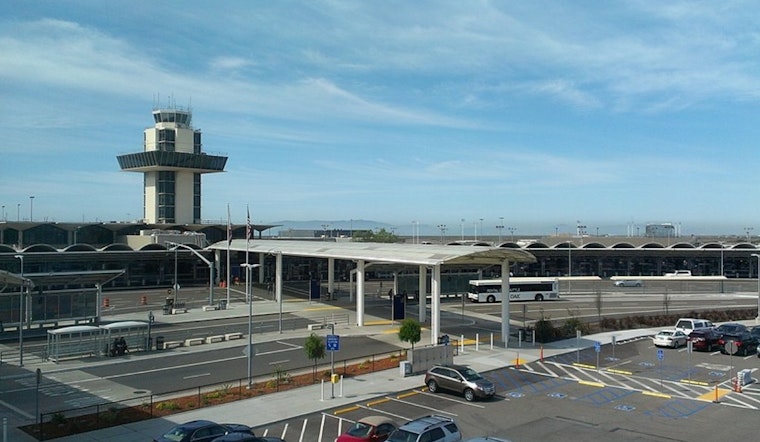
The fight for identity and recognition in the Bay Area's aerial gateways continues as the Port of Oakland's Board of Port Commissioners has decided to rename Oakland International Airport to the Oakland San Francisco Bay Airport. The move aims to put Oakland on the map as a city and a central hub for Bay Area travel. According to a Port of Oakland statement, yesterday's unanimous vote stimulated economic activity by attracting more air travel to the city.
However, the seemingly straightforward decision is facing turbulence from San Francisco International Airport, which has raised an alarm over potential traveler confusion and intellectual property issues, the second such protest after a similar occurrence last year when Oakland tried to rebrand its airport to San Francisco Bay Oakland International Airport, although this time, Craig Simon, Director of Aviation at the Port of Oakland, believes the new name does not infringe on their counterpart's brand, it echoes their commitment to the region, and the airport's location on the bay itself justifies the use of "San Francisco Bay" in the name, all of this commotion comes amidst OAK's upgrades engineered to modernize the traveler experience with a touch of local flair. This expansion includes improvements in retail spaces and amenities alongside the showcase of new Oakland- and East Bay-themed concessions.
San Francisco International, in a statement shared with The Mercury News, expressed disappointment with Oakland's decision, emphasizing the global recognition of their brand. They continue to push back against Oakland's recent move, which invites traveler confusion and could jeopardize their brand identity, which has been cultivated over decades of service to the region.
Moreover, Michael Colbruno, commission President of the Port of Oakland, accused San Francisco International Airport of elitism, referencing their name transformation from Mills Field Municipal Airport of San Francisco back in 1931, suggesting that historical precedents exist for such changes and reinforcing the idea of a unified Bay Area mission, he argued that promoting the entire region should be the common goal, and the change reflects that broader vision, it's about unity, efficiency, and a collective regional identity, not just mere words stamped on a travel brochure or a metal sign at the departure gate, but the encompassing spirit and embrace of a city's contributions to its surrounding siblings.





