

























































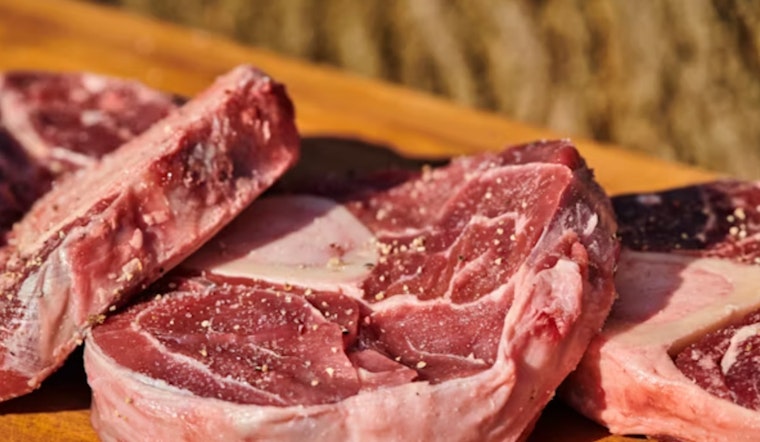
As the summer heat scorches on, beef prices are responding in kind, reaching levels not seen in years. A prolonged drought in Oklahoma coupled with broader agricultural challenges has culminated in a sharp escalation of beef costs, taxing the wallets of consumers and squeezing producers who are navigating an increasingly volatile market.
In Oklahoma, a state pivotal to the country's beef supply, a multi-year drought has led to "the smallest cattle inventory in the country in multiple decades," Darrell Peel, a professor of agricultural economics at Oklahoma State University, revealed to KOCO. This drought-induced scarcity has seen wholesale beef prices climb roughly 18 percent since the turn of the year. Similarly, the Journal Record outlined that lower cattle numbers aren't likely to see a quick remedy; with cattle only yielding one offspring at a time, rebuilding herds is a grind of a process.
According to the NBC News, the situation is compounded by import issues and trade policies such as the proposed 50% tariff on Brazilian imports by former President Donald Trump, which add layers of complexity to an already constricted supply chain. The cumulative effect is stark; the United States Department of Agriculture has reported the national cattle herd shrinking yet another 1%, bringing the total to a low not witnessed since 1951.
Michael Kelsey, executive vice president of the Oklahoma Cattlemen’s Association, in an interview with The Journal Record, cited an aging rancher demographic as another wrinkle in the cattle conundrum. With the average age of farm producers steadily rising, the entry of younger individuals into the business is not keeping pace with retirements. This demographic shift could signify lasting impacts on livestock numbers. Though technological and scientific advancements have improved efficiency in beef production, the fundamental issue of declining herd size lingers unassailable.
Consumers are directly feeling the impact. Data from the Bureau of Labor Statistics, highlighted by NBC News and other outlets, shows a 10.58% increase in beef and veal prices from June 2024 to June 2025, with ground beef breaching the $6-per-pound mark for the first time





