

























































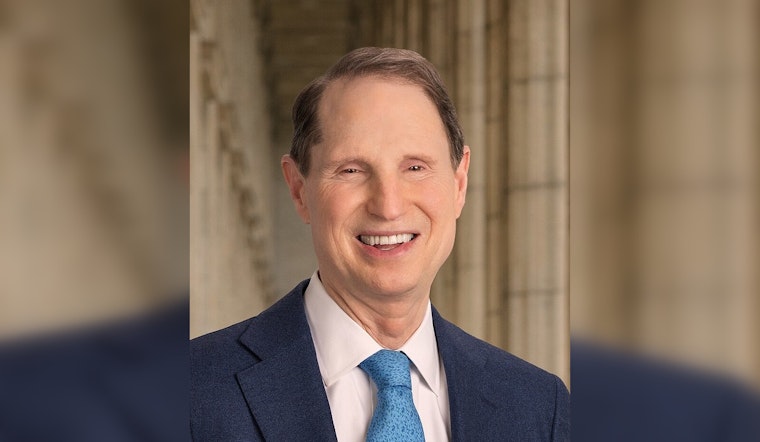
As the kickoff of a new school year looms, Oregon's U.S. Senators Jeff Merkley and Ron Wyden, joined by 30 other colleagues, have stepped up to challenge the Trump administration's blockade of nearly $7 billion in education funds. In a unified stance, they demanded that the Office of Management and Budget (OMB) Director Russ Vought and U.S. Secretary of Education Linda McMahon release these federally allocated resources without further delay. This push comes as schools and communities confronted by the administration's unexpected freeze are feeling the financial squeeze, with potential closures of afterschool programs and cuts to literacy initiatives on the horizon.
Specifically, Oregon is facing a critical loss of approximately $73 million, according to a statement released by the senators. School districts nationwide, already communicating to parents the need for backup plans, are left in a state of uncertainty over funding for programs that have been a vital part of students' academic and personal development. The abrupt decision by the administration has not only threatened the jobs of teachers and staff but also the continuity of education for English language learners and specialized training for educators.
In their demand for action, the senators highlighted the bipartisan nature of the funds made available by the Full-Year Continuing Appropriations and Extensions Act, 2025. "These funds were made available by the bipartisan Full-Year Continuing Appropriations and Extensions Act, 2025, signed into law on March 15, 2025," they exclaimed. Yet, the administration defies bipartisan intent and stalls the release of funds, extending a 'programmatic review' past the expected date of allotment.
The fallout of this funding blockade is palpable; it's not just about budget sheets but real students and real families who are likely to suffer the impacts. Nearly 1.4 million students and the staff of more than 10,000 summer and before and afterschool programs are at stake. "By withholding these funds from states, the Department will impact programs for nearly 1.4 million students served by 10,000 summer and before and afterschool programs around the nation," warned the lawmakers. These programs are more than just educational supplements; they serve as safe havens and support networks that give working parents peace of mind. Indefinitely blocking such critical lifelines shakes the very foundation that many families depend on for stability in both care and education.
The senators did not hold back in criticizing the administration for their actions, labeling the freeze of funds not only "abrupt" but also "illegal." As cited in their letter, the effects are already being felt, with centers that provided demonstrable improvements in student engagement, attendance, and performance being jeopardized. The familiar rhythm of school and work life is disrupted as each day passes without a resolution, and communities across the nation are made to navigate the unforeseen chaos born out of a sudden policy shift in Washington.




.jpeg)