

























































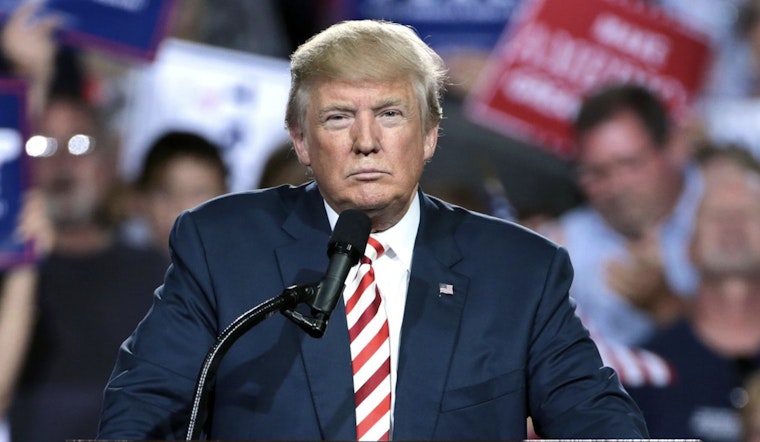
President Donald J. Trump signed an Executive Order ending subsidies for wind and solar energy, in accordance with the One Big Beautiful Bill Act. The administration stated that the measure aims to support energy independence and fiscal responsibility by focusing on energy sources considered reliable and dispatchable. The White House characterized the removal of clean electricity production and investment tax credits as a response to what it called the 'Green New Scam.'
The Order outlines a policy change by instructing the Secretary of the Treasury to end clean energy incentives and strengthen restrictions on foreign entities considered potential national security risks. It also directs the Secretary of the Interior to revise regulations, removing preferential treatment for wind and solar energy and placing them on equal footing with fossil fuel resources, which the administration views as more reliable and cost-effective. This shift could impact the United States' energy landscape and the growth of the renewable energy sector.
Asserting the presidential commitment to "unleashing American energy" and preventing U.S. taxpayer dollars from supporting expensive, unreliable energy policies, the administration argues for the need to dismantle the fiscal burden of green subsidies. The White House believes that reliance on so-called "green" subsidies compromises "America's electric grid" and detracts from the country's landscape beauty, as well as potentially threatens national security by increasing dependency on foreign supply chains.
While the White House purports that ending these subsidies is crucial for energy dominance, national security, and economic growth, critics argue that the elimination of green incentives could derail the fight against climate change and compromise the burgeoning renewal energy sector. But the administration maintains that "ending the massive cost of taxpayer handouts to unreliable energy sources is vital" to the nation's well-being and fiscal health, discounting concerns that the move could inhibit innovations in sustainable energy technologies. The initiative is intended to support the growth of traditional energy industries by removing subsidies for renewable energy sources.





.jpg)