

























































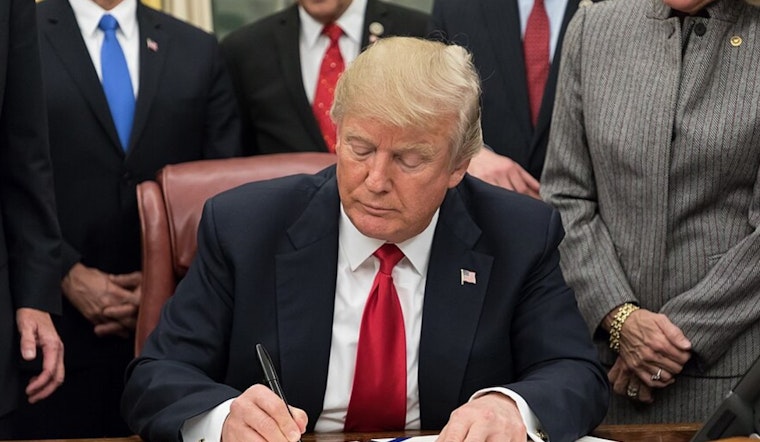
In a move that has stirred controversy within environmental and energy circles, President Donald J. Trump signed a proclamation extending regulatory relief for coal-fired power plants. This decision directly affects current emissions standards. The President's action grants certain stationary sources a two-year exemption from stricter regulations set to be implemented under the recent Mercury and Air Toxics Standards (MATS) amendment.
As The White House announcement details, Trump justified the extension by highlighting the absence of "commercially viable" technology to meet the new emissions-control requirements. The proclamation frames the situation as a national security concern, asserting that strict compliance timelines could "leave America vulnerable to electricity demand shortages" and undermine the nation's energy security.
Critics of the exemption have voiced concerns over environmental impacts and public health. Conversely, supporters argue that the relaxed standards will prevent potential job losses and maintain grid reliability. The Environmental Protection Agency's final rule, published on May 7, 2024, originally set the compliance date for July 8, 2027. The rule mandated enhanced emission controls for coal- and oil-fired electric utility steam generating units based on what was, at the time, seen as achievable technology reviews and residual risk assessments.
Under the terms of the new exemption, the affected power plants will operate under pre-existing MATS regulations that were in place before last year's amendments. "The technology to implement the rule is not available," the President stated, per The White House. This transition period is extended until July 8, 2029, as part of the administration's continued focus on promoting American energy and preserving existing infrastructure.





