

























































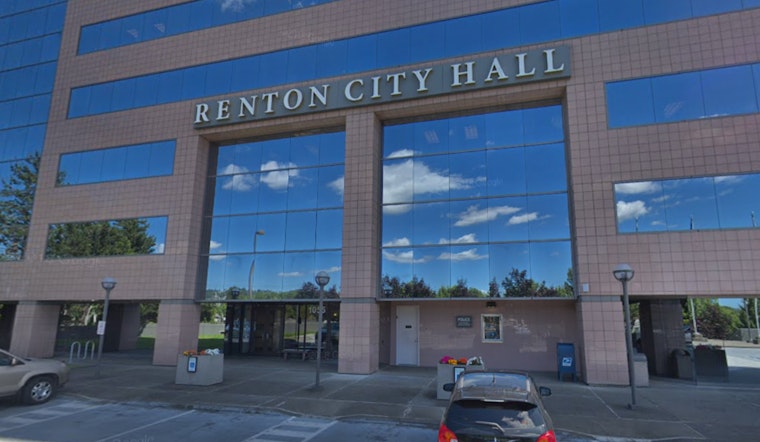
In a significant turn of events for King County's environment and community, a coalition of environmental leaders and local officials has successfully negotiated a halt to the construction of an asphalt plant. Instead, the area along SR-169 will see the rise of a warehouse space, illustrating the power of advocacy and organized citizen action. This decision is the result of a collaborative effort led by King County Councilmember Dunn and has been widely lauded as a victory for the Renton community and its environmental sustainability objectives.
According to a press release from the City of Renton's official website, the agreement involves the landowner, Lakeside Industries, and has been positively received by both the King County and Renton city representatives. While paving the way for a greener footprint, the proposed warehouse space is set to replace the initial industrial plans for an asphalt plant. The King County officials, riding the wave of community engagement, were instrumental in redirecting the land's use towards more sustainable endeavours.
"This is an ideal outcome– along with the Renton City Council, I deeply appreciate King County Councilmember Dunn’s advocacy on behalf of those of us within the Cedar River watershed. This is an important win for the Renton community and our environmental sustainability goals," was stated in the press release by Renton's leadership, praising the County Councilmember's efforts. This partnership between local government and environmental advocates has evidenced a commitment to preserving the Cedar River watershed and promoting healthier community development.
The decision to halt the asphalt plant project comes after persistent pushback from environmental groups and community members, who feared the negative impact such a facility could have on the local ecosystem. While the accomplishment of this community-driven campaign has been publicly recognized, it also silently acknowledges the potential threats to the environment that spurred such advocacy. Furthermore, this resolution is a testament to the ability of community groups to work in concert with industry and government for a mutually beneficial outcome. "I’m proud to have been able to work in tandem with Councilmember Dunn to secure a resolution that is beneficial to King County, the City of Renton, Lakeside Industries, and the multiple community advocacy groups engaged in this effort," the collective voice of the Renton officials sang, as reported on their website.
With the asphalt plant no longer a threat, the future warehouse is expected to provide economic opportunities without the same level of environmental concerns. The deal marks a noteworthy instance of environmental preservation triumphing in the face of industrial development, setting a possible precedent for future land-use disputes in the region and beyond.



