

























































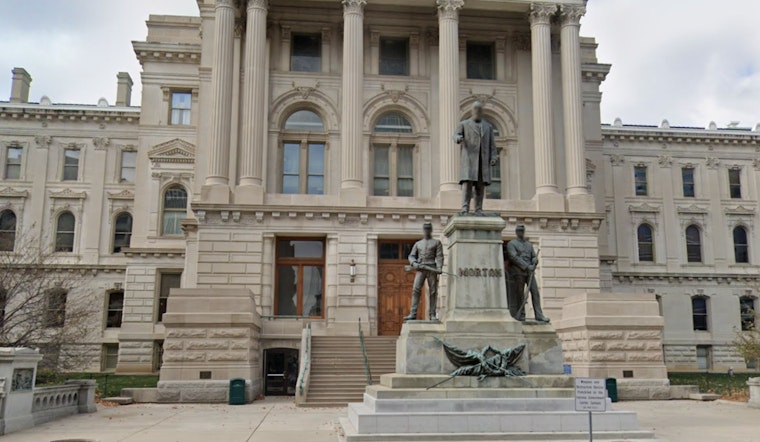
Rep. Ben Smaltz of Auburn is diving into the complexities of municipal elections this summer and fall, having been appointed to serve on the Interim Study Committee on Elections. Smaltz, who joins the Compliance Advisory Panel as well, is turning a critical eye to the cost-effectiveness and the participation rates of local voting processes.
"Historical data shows municipal elections have a high cost per vote, and exceptionally low turnout," Smaltz noted, pinpointing a key issue he plans to address in the upcoming committee sessions. The objective is to dissect why community members are deterred from voting, and how election expenses have ballooned – an issue that is not only a strain on administrative resources but also, on the democratic spirit at the heart of local governance.
Dedicated interim committees such as the one Smaltz is a part of, meet routinely before the legislative session commences in January to mull over policy matters. Their tasks involve collecting insights from the public, engaging with field experts and considering the perspectives of various stakeholders. According to the Indiana House Republicans press release, these testimonies form the foundation for bill recommendations that may potentially reshape the electoral landscape in Indiana.
Moreover, Smaltz's agenda includes exploring innovations for better electoral administration. "It's time to take a closer look at how expensive and inefficient some of these elections have become," he stated, raising concerns about the dual predicament of fiscal wastage and voter disengagement. As the debate unfolds, interested parties can keep abreast with committee hearings and agenda updates via the Indiana General Assembly's website, maintaining transparency and accessibility throughout the deliberative process.
The full list of 2025 legislative interim study committee assignments, topics, and the legislative appointments for each committee can be accessed online. These resources provide a glimpse into the functioning of the legislative ecosystem, offering citizens the opportunity to observe and, potentially influence the discussions that could lead to tangible reforms in the way Indiana experiences its elections.





