

























































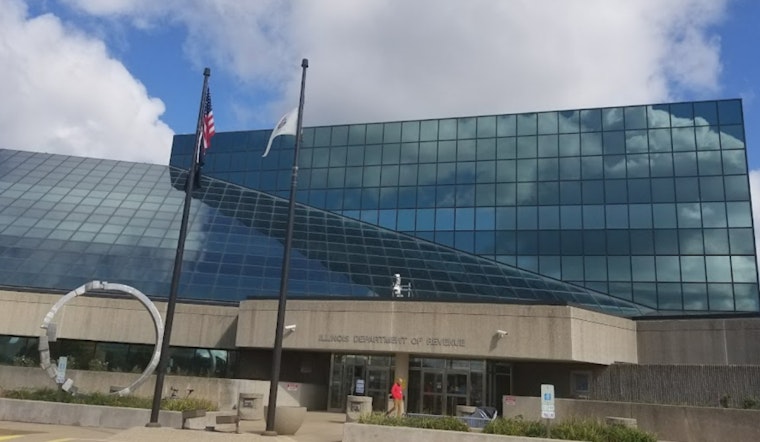
Residents of Saline County have been given a heads up by the Illinois Department of Revenue with the announcement of a tentative property assessment equalization factor, which stands at an even 1.0000, as reported on Illinois government's official website. This key figure, commonly referred to as the "multiplier," is integral in ensuring uniform property assessments across counties, aligning with state laws that mandate such consistency to prevent tax inequities.
David Harris, the director of the IDOR, conveyed that the rationale behind the multiplier is straightforward in its aim to balance property assessments, although, within this effort, a web of complexities unfolds for it involves not just residential properties but also spans to the vast agricultural spaces where farmland and farm buildings are gauged based on how productive they are, which differs from the standard assessing and equalization procedures that regular home sites and dwellings adhere to. Despite the aim for uniformity, the process is a dance of numbers, where the three-year average of property sales prices against county assessments, hinging on a one-third market value ideal, ultimately dictates whether the multiplier swings above or below the ideal of 1.0000.
According to 2021, 2022, and 2023 property sales data, Saline County's assessments came out slightly over the one-third mark at 33.26% of market value, prompting this year's neutral tentative multiplier — the same as last year's. The implications of these findings are significant, yet do not correlate directly with hikes or dips in property tax bills, which are contingent on the fiscal demands of local taxing entities, servicing citizens with essentials like schools and fire protection.
However, the assessed valuation of individual properties is the cornerstone of one's tax share; this remains unaltered by the multiplier, it's a system designed to dispense the burden equitably among taxpayers but it is not a deciding factor in the total taxation figure, that responsibility laying squarely with the budget requirements plotted by local taxing bodies seeking to maintain or enhance the livelihoods within their jurisdictions; if their financial requirements don't shoot past the prior year's budget, overall property taxes will stay put even if personal assessments edge upwards. A forthcoming public hearing is scheduled to unfold within 20 to 30 days post-publication of these figures, offering a forum for debate and presentation of any data that could sway the IDOR's initial assessment.
Saline County residents, keep a vigilant eye on these developments, for they shape the bedrock of your local economy and community investments, where schools depend on the funds for the futures they are shaping, where emergency services bank on your tax dollars for the safety they pledge, and where the multiplier, though a seemingly dry statistic, reflects the health of your shelters and the soils from which your sustenance springs forth.





