

























































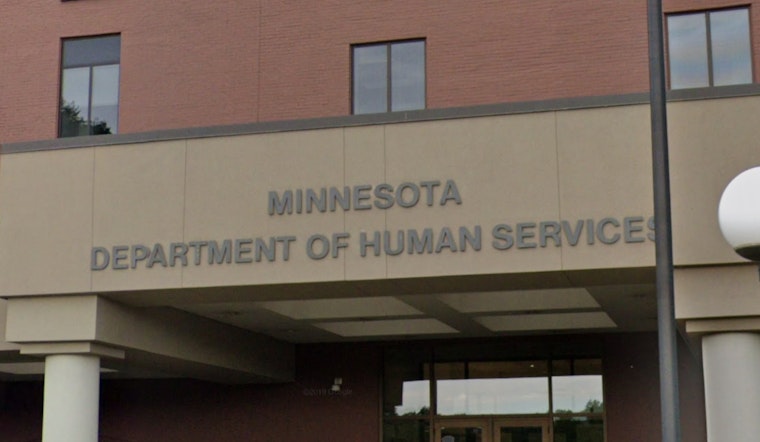
Minnesota's Aging and Adult Services Division (AASD) and Disability Services Division (DSD) rolled out their latest batch of updates in their weekly digest, focusing on fresh policy changes, new training opportunities, and reminders for existing programs. The updates, distributed every Tuesday, are aimed at keeping local agencies, providers, and interested parties in the loop on developments impacting the region's Medicaid Management Information System (MMIS), consultation service provider opportunities, and grants geared to prop up the long-term care (LTC) workforce.
The most recent MMIS overhaul tries to simplify life for counties and tribal nations that are entering into type B service agreements. "DHS updated MMIS to help counties/tribal nations save time," the Minnesota Department of Human Services bulletin notes, an effort to cut through the red tape that often snares the efficient delivery of services. In their ongoing quest to improve the LTC workforce, DHS is also extending an olive branch to organizations working with new Americans. They are encouraging applications for grants designed to bolster these workers' presence in the LTC sector, with applications due by September 4, 2025.
Meanwhile, the Disability Services Division reminded its stakeholders of the legislative updates to the Early Intensive Developmental and Behavioral Intervention (EIDBI) benefit and introduced new clinical supervision requirements that stem from the same legislative session. Providers in that space are encouraged to refer to the updated EIDBI Policy Manual and Individual Treatment Plan form for detailed guidance on meeting these new directives.
For those who thrive on the communal knowledge-sharing experience, a host of webinars loom large on August's calendar. The "Virtual Roundtable with Licensing and Disability Services" on August 6 aims to empower organizations in their mission to support staff and satisfy the legal requirements of 245D training requisites. What's more, "Staying the Course: Navigating the Ups and Downs of Provider Transformation" is on deck for August 14, a free training option presented by the University of Minnesota's Institute on Community Integration. And for the number crunchers, a DWRS Cost Reporting demonstration, replete with a Q&A session, is scheduled for August 20, specifically tailored for unit-based service providers.
Concurrent with these scheduled events and updates, the divisions also disseminated urgent advisories to shore up services for those receiving PCA/CSG support and flagged a DHS Behavioral Health Division training focused on fetal alcohol spectrum disorders assessment and intervention. These resources, according to the DHS's latest announcement, are immediately available and underline the ongoing commitment from both divisions to close service gaps and enhance the quality of care.



