

























































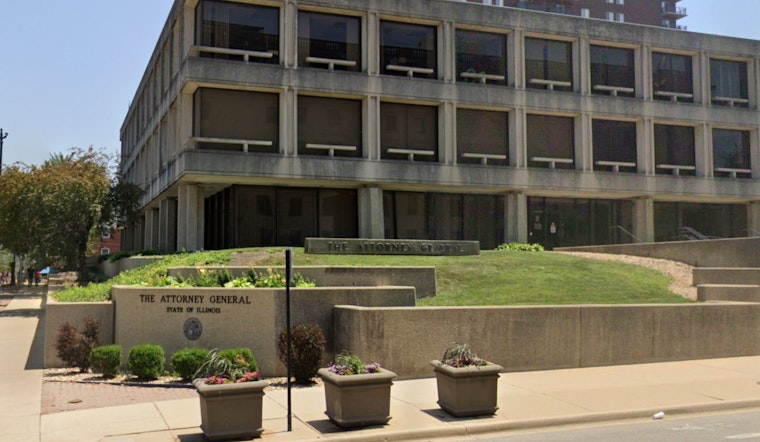
Residents across California, Illinois, and 23 additional states are facing a sudden financial void in education funding due to a decision by the Trump administration to freeze $6.8 billion earmarked for educational grants. As reported by the Illinois Attorney General's office, a multi-state lawsuit led by Attorney General Kwame Raoul was filed in response to the federal government's move to withhold these funds just weeks before schools are scheduled to resume.
The legal challenge represents a significant pushback from states over the federal government's power to control educational budgets. "With the start of the school year only a month away for many Illinois students, the Trump administration’s illegal funding freeze is wreaking havoc on school budgets, suspending programs and causing stress and anxiety for families who depend on them," Raoul said in a statement that underscores the timing and impact of the controversy. The lawsuit demands the immediate release of the frozen funds, arguing that the administration's actions violate several laws and constitutional provisions.
Historically, these grants have supported a wide spectrum of educational initiatives, covering programs for migrant children, English learners, technology enhancement in the classroom, and adult education. Illinois alone was set to receive an estimated $219 million for the 2024-2025 academic year, a substantial sum that now remains inaccessible. By federal statutory and regulatory requirements, a quarter of these funds should have been made available around July 1, facilitating proper planning for the forthcoming school year.
The funding freeze, detailed in a notice received on June 30 by Illinois and other state agencies, presents immediate difficulties for the planning and execution of essential academic programs. Already, as a result of the Trump administration’s actions, states including Illinois find themselves facing the possibility of funding insufficient to maintain many of these commitments, just weeks before the start of the 2025-2026 school year. This abrupt financial shortfall threatens summer school and afterschool programs, integral teacher training, and access to resources for English learners, among others.
Raoul, alongside attorneys general from a consortium of states and governors from Kentucky and Pennsylvania, contends that budgetary control lies with Congress, not the executive branch. The Constitution, they argue, does not give the president the authority to withhold appropriated funds unilaterally, a stance echoed in multiple court rulings from other state-led lawsuits against similar freezes. The coalition's lawsuit aims to reaffirm this balance of powers, advocating for the funds to be released and for federal compliance with enacted budgets.





