

























































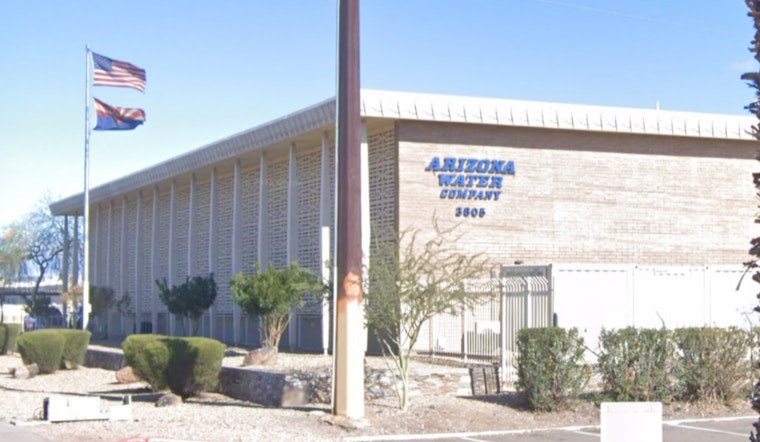
In Sedona, Arizona, a unique infrastructure project has recently garnered attention, challenging the limits of utility camouflage and creating a financial conundrum for residents. As reported by FOX 10, the Arizona Corporation Commission mandated on July 24 that Sedona water customers would shoulder the additional $6 million costs to disguise a new 1.5 million-gallon underground water tank as a house.
The controversial water tank, completed in March after the Arizona Water Company spent about $20 million, aimed to meet the region's drinking water and fire flow demands with an additional 3,000-gallon-per-minute booster pump station. Facing the decision to increase water rates across the Arizona Water Company’s northern district – a directive that did not sit well with all paying homage to Sedona's aesthetic. The company eventually negotiated a deal that allows the tank to blend into the local scenery, avoiding an eyesore for the city's residents and tourists alike.
This aesthetic decision did not unfold without financial implications. According to AZ Central, Sedona customers will now see their average monthly water bill rise by about 45%, amounting to nearly $60, as opposed to the forecasted 34% increase, translating to an average bill of about $52 for the other northern district communities.
Keen to demonstrate its cooperative spirit, Arizona Water's vice president of Rates and Revenues, Nick Liu, in a response to both the community concern and necessity for compliance, informed Arizona Central, "Arizona Water remains committed to engaging the City in this dialogue and moving forward with the Commission’s decision." These words, spoken amidst the backdrop of rising utility costs, reflect the ongoing tension between municipal demands and the fiscal realities that trail behind them, leaving some in the region wary of what such compromises may cost in the future.
Meanwhile, the Evans Churchill Substation in downtown Phoenix, also an APS venture, epitomizes the art of blending in, a facility APS describes as "four walls and no roof" in an interview with FOX 10. From the street view, it presents as a vibrant contribution to the Roosevelt Row arts district with murals done by local artists covering its exterior. Underneath, it fulfills the critical infrastructure role of converting high-voltage electricity for customer distribution, yet it sits unobtrusively, masquerading as an entertainment venue with faux balconies and shingles.
This notion of utility disguise is now ingrained within Arizona's approach to modern infrastructure—though, as the Sedona project demonstrates, not without its financial and community ramifications. The decision by the Arizona Corporation Commission underscores a precedent: that special aesthetic requirements by local communities will primarily be funded by those who reap the benefit of such conditions. "Hopefully, this is a strong signal to all water companies, local governments, and residents moving forward that if you require special conditions or place limitations on infrastructure based upon aesthetic preferences, you may be responsible for those extra costs," Commission Chair Kevin Thompson told AZ Central, summing up the ethos behind the ruling.




