

























































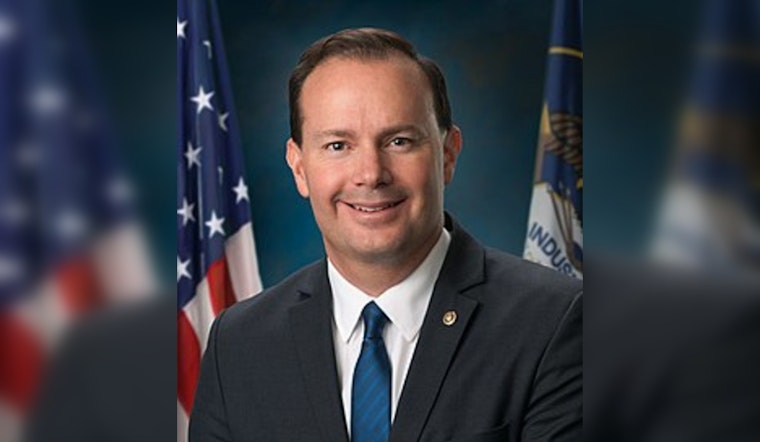
In a legal skirmish that cuts into the heart of the First Amendment, Senator Mike Lee of Utah spearheaded the charge with an amicus brief defending religious freedom in the case of Cambridge Christian School v. Florida High School Athletic Association. This filing pushes back against what Lee and his colleagues see as a governmental overreach infringing upon free speech and religious expression, as reported by Lee's official Senate page.
At the center of the controversy is a denied request from two Christian high schools to broadcast a pre-game prayer over the loudspeaker. The Florida High School Athletic Association, which initially dismissed the request as a potential government endorsement of religion, has now shifted its stance, claiming the prayer would constitute “government speech.” This comes despite previous allowances for various forms of personal and organizational speech over the PA systems at these games—a point not lost on Senator Lee. “When the government blocks Christian schools from praying before their own football games, something is very wrong,” Lee said, according to a press release from his official Senate page.
Eleven other senators and five representatives are lining up alongside Lee, providing a broad political front in defense of religious liberty. The legal opposition, on the other hand, leans on the Eleventh Circuit's acceptance of the government-speech argument, closing what they view as a loophole that might otherwise funnel state support towards particular religious practices at publicly sponsored events.
The battle lines are clear, with First Amendment rights at the center. Lee and his supporters argue these rights must be protected from government overreach. He says the Eleventh Circuit’s position poses “a serious danger to even private expressions of faith” and needs to be corrected to protect constitutional freedoms. In Lee’s view, the line between private faith and public endorsement has been blurred, and without action from the Supreme Court, genuine religious expression could be silenced nationwide, as mentioned in the same press release.




